
Tattooing for Hypopigmentation: Can It Restore Colour?
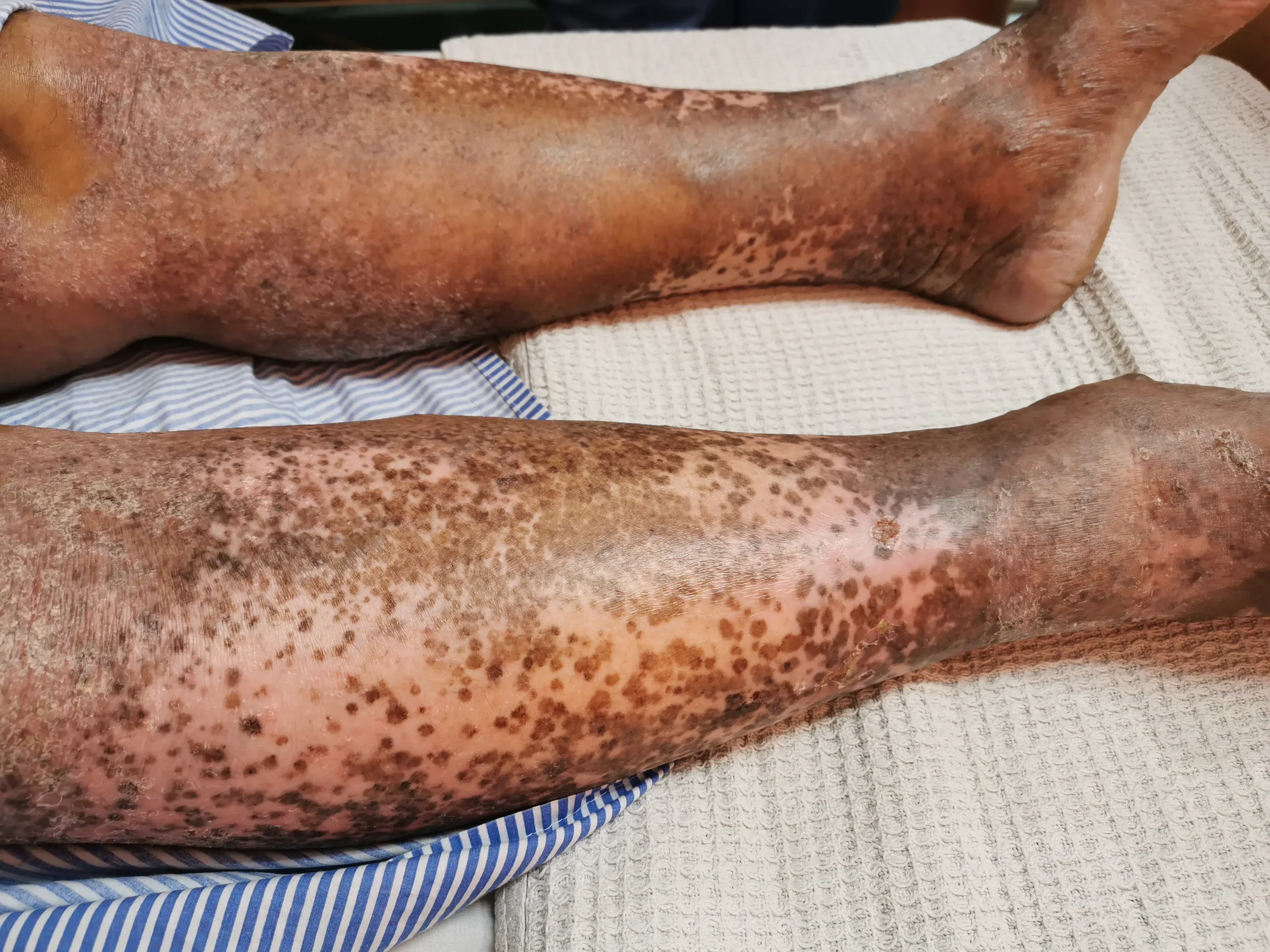
Hypopigmentation can change the appearance of the skin by creating lighter patches where melanin is reduced or absent. People experiencing this change often wonder whether tattooing can help restore the look of natural colour. Studio Vanassa offers cosmetic and paramedical tattooing techniques designed to improve the appearance of pigment loss, but results depend on skin type, condition, and the stability of the affected area. This guide explains how tattooing works for hypopigmentation, its limitations, and when it may or may not be the right option.
What Is Hypopigmentation and Why Does It Occur?
Hypopigmentation occurs when melanocytes lose their ability to produce melanin, causing the skin to appear lighter than the surrounding area. This can happen for several reasons. Common causes include vitiligo, scarring, burns, stretch marks, post surgical healing, and injuries that affect pigment producing cells. Some conditions are stable while others continue to change over time, which plays a major role in whether tattooing can offer lasting results.
How Tattooing Restores the Look of Skin Colour
Tattooing for hypopigmentation, often referred to as paramedical tattooing or scar camouflage, involves depositing custom blended pigments into the upper layers of the skin. The goal is to reduce contrast between the lightened patch and the surrounding tissue. This technique helps create a more uniform appearance by mimicking the natural tones, undertones, and texture of the skin.
Successful outcomes depend on precise colour matching, understanding how pigments heal in different types of skin, and knowing how scar tissue behaves. Those exploring this service can review Studio Vanassa’s work by visiting the homepage at Studio Vanassa to see examples of pigment restoration techniques.
Conditions That Benefit from Tattooing for Hypopigmentation
Several forms of pigment loss respond well to tattooing when performed by an experienced artist. These include stable vitiligo patches that have not changed for a significant period, as well as hypopigmentation caused by scars, stretch marks, burns, and healed injuries. Surgical sites that have fully closed and softened may also be suitable.
It is important that the condition is stable. When pigment changes continue to shift or spread, tattooing cannot keep up with the progression, making it unsuitable until the skin has stabilized.
Colour Matching Challenges and Artistic Limitations
Matching skin colour is one of the most complex parts of tattooing for hypopigmentation. Human skin is not a single shade, but a blend of tones and undertones that shift with lighting, temperature, and natural skin variations. Tattoo pigments behave differently in scar tissue than in healthy tissue, and this affects how colour settles over time.
Because of these variables, a perfect match is not always achievable. Instead, the goal is to minimize contrast so the lighter area blends more seamlessly with the surrounding skin. Multiple layers, soft shading, and custom pigment mixes help create realistic results, but limitations should be expected.
How Long Results Last and What Maintenance Looks Like
Like all forms of tattooing, results fade gradually. Factors such as sun exposure, skin exfoliation, pigment oxidation, and individual healing patterns influence how long the restored colour remains consistent. Some clients require touch ups every few years to maintain an even tone, while others experience longer lasting outcomes.
Lifestyle also plays a role. Regular sun protection slows fading and helps the pigment hold its intended shade. Maintenance is a normal part of paramedical tattooing and should be expected with this type of treatment.
When Tattooing May Not Be Suitable
Tattooing is not the right solution for every type of hypopigmentation. Clients with active vitiligo, unpredictable pigment loss, highly inflamed skin, or conditions that continue to shift should postpone treatment until stability is confirmed. Individuals prone to keloids may also be unsuitable due to the risk of raised scarring.
Unrealistic expectations can also make tattooing a poor fit. Pigment restoration improves appearance, but it will not recreate natural melanin or perfectly replicate the surrounding skin. A consultation ensures the artist can assess skin condition, stability, and overall suitability.
Why Choosing a Skilled Artist Matters
Tattooing for hypopigmentation is an advanced technique that requires knowledge of colour theory, undertones, pigment behavior, and scar tissue characteristics. A skilled artist evaluates how the skin heals, how pigments blend over time, and how to layer colour for the most natural result. Precision and training are essential for achieving even coverage and long lasting improvement.
Clients who want to explore options or determine if their skin is a good candidate can book a consultation to receive tailored guidance based on their condition and goals.