
Paramedical Tattooing for Burn Scars
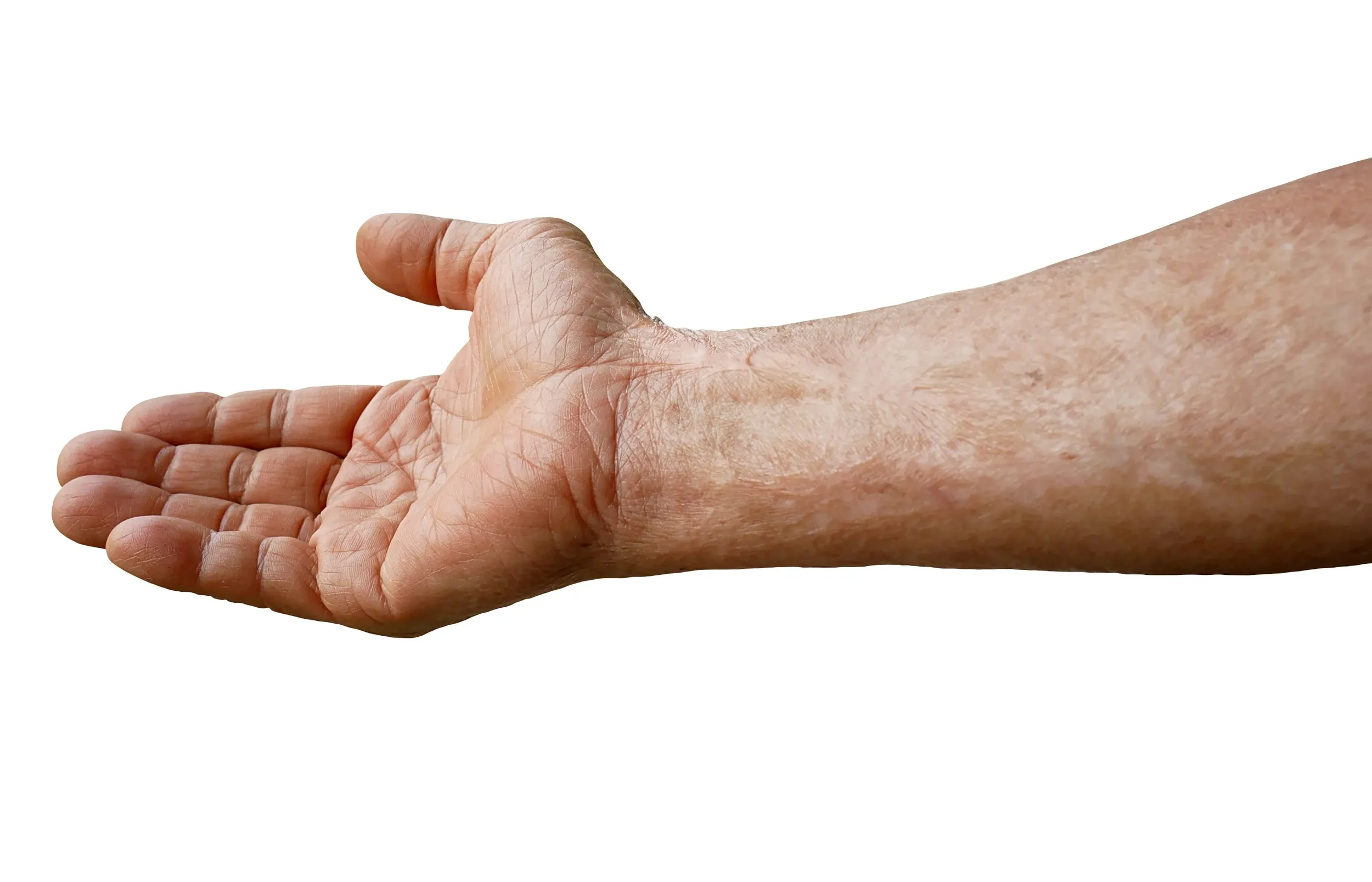
Burn scars can significantly change the appearance and texture of the skin, often leaving lighter or uneven patches that stand out against surrounding tissue. Paramedical tattooing offers a way to blend these areas by strategically placing pigment that helps reduce contrast and create a more balanced look. This technique requires experience with scar behavior, color theory, and the challenges unique to burn tissue. This guide explains how paramedical tattooing works for burn scars, what clients can expect, and when the treatment may not be advisable.
How Paramedical Tattooing Helps Camouflage Burn Scars
Paramedical tattooing deposits carefully matched pigment into the upper layers of the skin to minimize the visibility of burn scars. The goal is not to create a solid block of color but to soften the contrast between scar tissue and surrounding healthy skin. Pigment is layered gradually, allowing the artist to build a natural appearance that mimics tone and undertone variations.
Because burn scars often lack melanin and have unique surface qualities, achieving a smooth blend takes precision. Those interested in seeing how this type of work is approached can explore Studio Vanassa for examples of scar camouflage and cosmetic tattooing methods.
Understanding Burn Scar Types and How They Heal
Burn scars can vary widely depending on depth, healing time, and the body’s response. Common scar types include hypertrophic scars, which are raised and firm; contracture scars, which tighten skin and restrict movement; and flat scars, which sit level with the surrounding tissue.
Each type responds differently to pigment. Raised or contracted tissue may absorb color unevenly, while flat scars often take pigment more consistently. Scar tissue also lacks oil glands, which affects healing time and how pigment settles. Understanding these differences helps determine whether tattooing will produce predictable results.
Preparing Burn Scars for Tattooing
Before tattooing begins, the scar must be fully matured. Mature scars are typically lighter in color, softer in texture, and stable in shape. This process can take a year or longer depending on the severity of the burn. Treating an immature or unstable scar increases the risk of poor pigment retention and unpredictable results.
A professional assessment considers texture, thickness, color variation, sensitivity, and the presence of raised tissue. Once maturity is confirmed, paramedical tattooing can move forward using techniques designed specifically for scar camouflage. Information about these specialized techniques can be found under paramedical tattooing for clients researching advanced scar treatments.
Pigment Matching for Burn Scars
Color matching is one of the most complex steps in camouflaging burn scars. Skin tones are made up of multiple layers of undertones that shift depending on lighting, circulation, and temperature. Burn scars often appear cooler, lighter, or shinier than the surrounding skin, which affects how pigment should be mixed.
Artists use layered application to recreate the subtle variations found in natural skin. Because scar tissue absorbs pigment differently, the first session often acts as a base. Follow up sessions refine tone, improve blend, and adjust saturation for a more natural finish.
What to Expect During Healing
Healing from paramedical tattooing is generally mild but varies depending on scar texture and sensitivity. Clients may notice temporary redness, dryness, or flaking as the pigment settles. Color appears stronger at first and softens as the skin heals.
Scar tissue holds onto pigment differently than healthy skin, so some fading is expected after the first session. This is normal and part of the process. Once healed, touch ups help build fuller coverage and refine color accuracy.
When Paramedical Tattooing May Not Be Advisable
Not all burn scars are good candidates for tattooing. Scars that are still changing, sensitive, inflamed, or overly tight should not be tattooed until they stabilize. Raised scars, keloids, and shiny or rigid tissue can absorb pigment unpredictably, increasing the risk of uneven healing.
Clients with a history of keloid formation should avoid scar tattooing altogether. Tattooing may also be unsuitable if expectations are unrealistic, such as expecting a scar to disappear completely. Paramedical tattooing improves appearance but does not remove the scar or restore natural melanin.
Why Choosing a Skilled Artist Matters for Burn Scar Work
Tattooing burn scars requires more than cosmetic skill. It demands an understanding of scar biology, pigment behavior, color theory, and healing patterns. A trained artist evaluates the scar’s maturity, determines whether the tissue can hold pigment, and blends colors to match surrounding skin as closely as possible.
Clients seeking guidance on whether their burn scars are suitable for this treatment can book a consultation to receive a personalized assessment and recommendations.