
Signs of Infection After Cosmetic Tattooing and What to Do
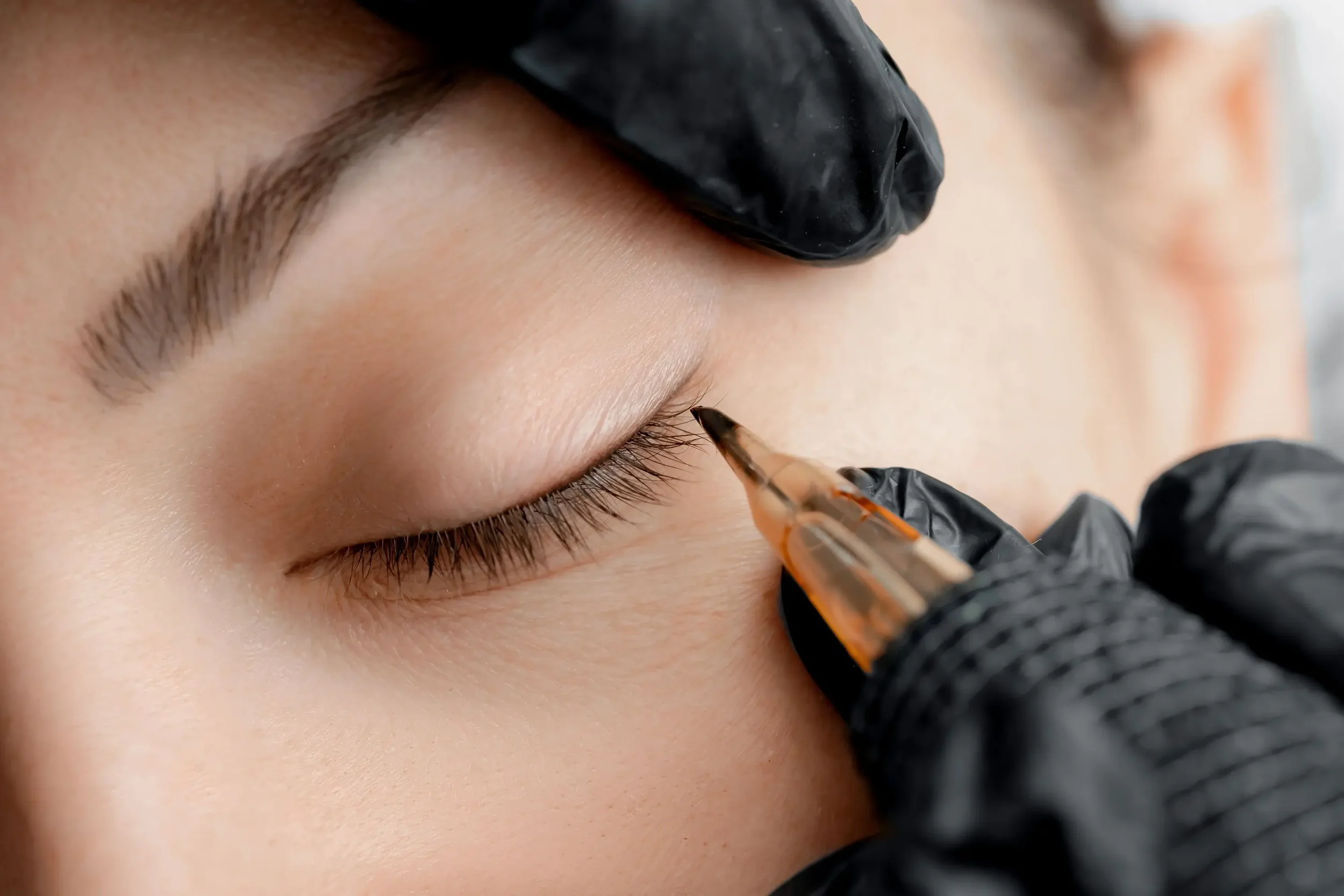
Healing after cosmetic tattooing can bring questions and concerns, especially when changes in the skin look unfamiliar. While some redness and sensitivity are normal during the early stages, Studio Vanassa emphasizes that certain symptoms should not be ignored. Understanding the difference between expected healing and possible infection helps clients respond appropriately and protect their results.
Knowing what to watch for, what steps to take, and when to seek additional care can make a meaningful difference in recovery and peace of mind.
What Is Normal Healing After Cosmetic Tattooing
Immediately after cosmetic tattooing, it is common to experience mild redness, swelling, and tenderness in the treated area. These symptoms typically improve within the first few days as the skin begins to heal.
Other normal healing signs may include light scabbing, flaking, or dryness as the skin regenerates. Sensitivity usually decreases gradually, and the area should feel less reactive as each day passes. Understanding these expected changes helps set a baseline for identifying anything outside the normal healing process.
Early Signs of Infection to Watch For
Infection symptoms often differ from normal healing by worsening rather than improving over time. Early signs to watch for include increasing redness or swelling after the initial healing phase, especially if the area becomes warm to the touch.
Additional warning signs may include pus or yellow or green discharge, persistent or intensifying pain, and redness that spreads beyond the treated area. Fever, chills, or flu-like symptoms can also indicate that the body is responding to an infection and should be taken seriously.
What to Do If You Notice Possible Infection Symptoms
If you notice symptoms that may suggest infection, it is important to act promptly and cautiously. Avoid touching, scratching, or picking at the area, as this can worsen irritation or introduce additional bacteria.
Stop using any products that were not specifically approved during your aftercare instructions, and keep the area clean and dry. Reaching out to your cosmetic tattoo professional early allows them to review your symptoms and provide guidance on next steps.
When to Seek Medical Care
Some symptoms require evaluation by a medical professional. If redness, swelling, or pain continues to worsen rather than improve, or if discharge does not decrease, medical care should be sought.
Signs such as fever, spreading redness, or severe discomfort may indicate a more serious issue that should be assessed by a healthcare provider. Medical professionals are best equipped to diagnose and treat infections safely.
How Aftercare Compliance Reduces Infection Risk
Following aftercare instructions carefully plays a major role in reducing infection risk. Proper hand washing before touching the area, avoiding makeup or skincare products not recommended during healing, and keeping the area protected all support healthy recovery.
Activities such as swimming, excessive sweating, or exposing the area to unclean environments during healing can increase the chance of complications. Consistent aftercare compliance helps the skin heal as intended and protects the final results.
The Importance of Professional Standards in Cosmetic Tattooing
Professional cosmetic tattooing relies on strict hygiene practices, sterile tools, and proper training. Choosing a studio that prioritizes cleanliness, consultation, and client education helps reduce infection risk from the start.
Clients interested in learning more about professional standards and procedures can review the cosmetic tattooing services offered to better understand what to expect before and after treatment.
How Studio Vanassa Supports Safe Healing
Clear communication and client education are essential parts of safe cosmetic tattooing. Studio Vanassa provides aftercare guidance and encourages clients to reach out with questions or concerns during the healing process.
Being available for follow-up support helps ensure clients feel informed and confident throughout recovery, reducing unnecessary worry and addressing issues early if they arise.
Questions or Concerns During Healing
If something does not feel right during healing, it is always better to ask than to wait. Early communication allows concerns to be addressed before they become more serious.
Clients who have questions or need guidance during recovery are encouraged to contact the studio directly for support and next steps.