
Do Tooth Gems Damage Your Teeth? Myths vs Facts
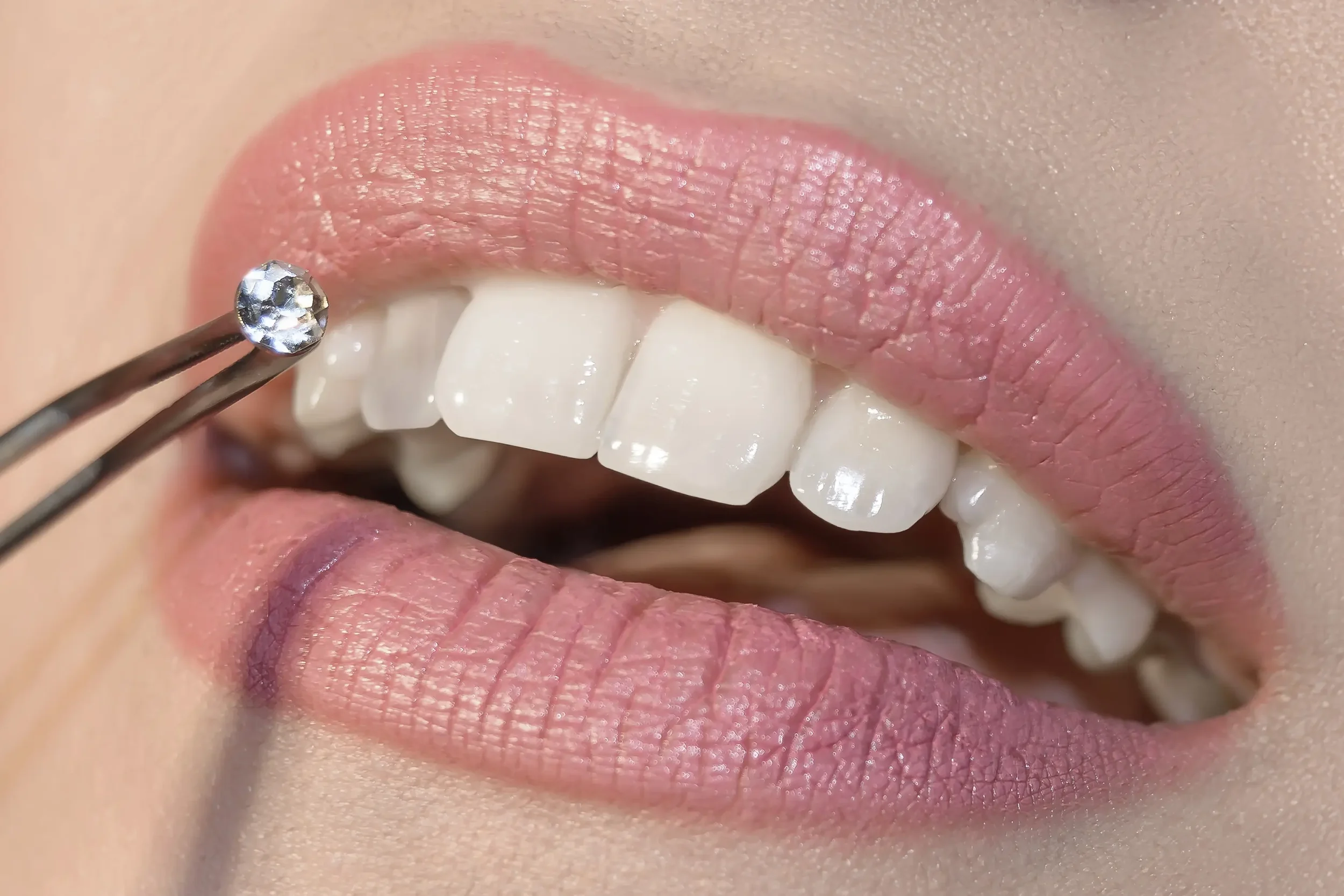
Tooth gems have become a popular cosmetic trend, but many people worry about whether they can harm their teeth. Concerns about enamel damage, cavities, and unsafe adhesives often come from misinformation or improper application methods found online. Studio Vanassa applies tooth gems using professional techniques that prioritize safety, hygiene, and enamel protection. This guide breaks down the most common myths and explains the facts behind tooth gem safety.
The Truth About Whether Tooth Gems Damage Your Teeth
When applied correctly by a trained professional, tooth gems do not damage enamel or weaken the tooth structure. The gem is bonded to the surface of the tooth using a dental grade adhesive similar to what orthodontists use for braces. Because the enamel is not drilled, etched aggressively, or altered, the tooth remains structurally intact. Most risks come from improper application, poor hygiene, or low quality adhesives used outside of professional settings.
Myth: Tooth Gems Drill Into Enamel
One of the biggest misconceptions is that tooth gems require drilling or filing the tooth. Professional application does not involve removing enamel. Instead, the surface of the tooth is cleaned, dried, and lightly prepared to help the gem bond securely. The enamel stays intact throughout the entire process. Problems typically arise when people attempt at home kits or untrained providers who use incorrect tools or adhesives.
Fact: Adhesive Safety Depends on Proper Application
Tooth gems use a dental grade adhesive designed to bond safely without harming the tooth surface. These adhesives are similar to the materials used to attach braces and are formulated to be enamel friendly. Professional providers understand how much adhesive to use, how long to cure it, and how to position the gem so the bond is secure but still removable in the future.
Clients interested in safe application techniques can explore professional tooth gems to see how trained providers apply gems without harming enamel.
Myth: Tooth Gems Cause Cavities or Tooth Decay
A tooth gem itself does not cause decay. Cavities form when plaque and bacteria remain on the tooth for long periods. As long as clients maintain good brushing and flossing habits, the presence of a gem does not increase the risk of decay or weaken enamel. The key is keeping the area around the gem clean so plaque cannot accumulate. Dental recommendations always emphasize hygiene, not avoidance of cosmetic accessories.
Fact: Aftercare Plays a Big Role in Long Term Safety
Proper aftercare ensures the gem stays clean and secure. Clients should brush around the gem gently but consistently and floss as usual. Avoiding picking or pulling at the gem prevents unnecessary pressure on the adhesive. With correct aftercare, the gem stays in place without affecting enamel health. Good hygiene habits are the main reason why tooth gems remain a safe cosmetic option for most people.
When Tooth Gems May Not Be Suitable
Tooth gems are safe for many clients, but some dental conditions may require caution or delay. People with active cavities, gum disease, weakened enamel, or untreated tooth sensitivity may need a dental evaluation before getting a gem. Those who grind their teeth heavily or have frequent chipping may also be advised to avoid added surface accessories.
Other situations where tooth gems may not be suitable include cracked enamel, ongoing orthodontic treatment, severe enamel erosion, dry mouth conditions that increase plaque buildup, or recent whitening treatments that temporarily affect enamel porosity. A consultation helps determine if tooth gems are appropriate.
Longevity and Removal: What to Expect
Tooth gems typically last several months to over a year depending on habits, oral hygiene, and adhesive placement. Safe removal is done by a trained professional using enamel friendly techniques. The adhesive is polished from the tooth surface, leaving the enamel smooth and unchanged. Proper removal prevents scratching, residue buildup, or enamel stress.
Possible Side Effects and Risks to Be Aware Of
While tooth gems are generally safe, some clients may experience mild sensitivity as the tooth adjusts to the bonding material. Minor gum irritation can occur if the gem sits close to the gumline. Rarely, individuals may notice slight reactions to adhesives. These effects are typically short lived, especially when the gem is applied by a knowledgeable professional who uses appropriate materials and placement methods.
Why Professional Application Protects Your Teeth
Professional providers understand tooth anatomy, enamel behavior, and proper bonding techniques. They use controlled methods that protect the enamel, ensure secure placement, and allow gems to be removed safely. A studio that follows dental grade standards helps reduce all common risks associated with poor placement or inferior adhesives.
Clients wanting to understand more about safe application practices can visit Studio Vanassa to see how professional standards support enamel health and cosmetic results.
Ready to Try a Tooth Gem?
Those interested in suitability checks, aftercare guidance, or safe cosmetic application can book an appointment with a trained provider for personalized advice.