
Does Cosmetic Tattooing Hurt? Pain Levels by Area
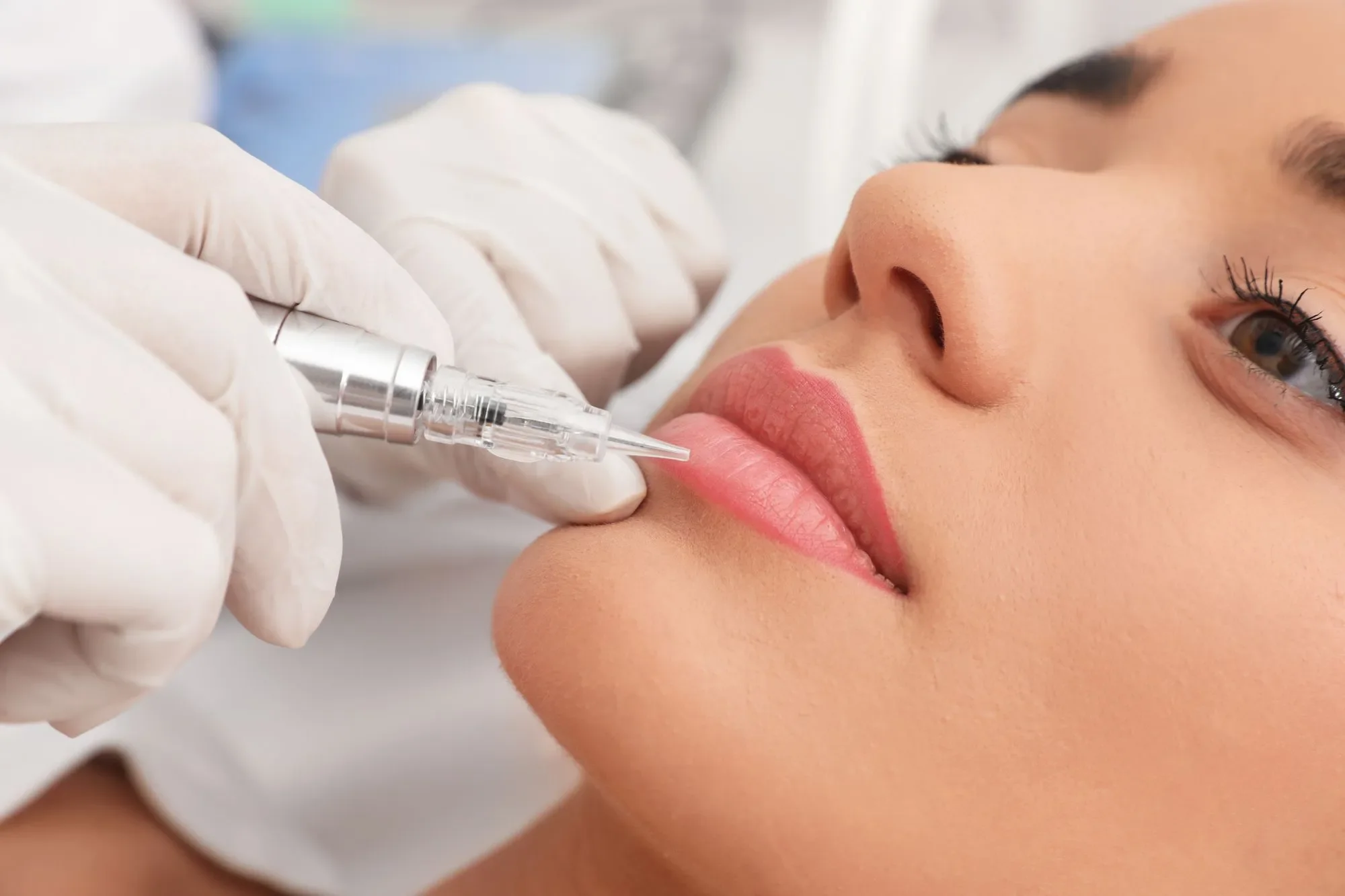
Does cosmetic tattooing hurt is one of the most common questions clients ask before booking brows, lips, eyeliner, or lash line enhancement. The answer depends on the treatment area, personal sensitivity, skin condition, and how the appointment is managed. Most clients describe cosmetic tattooing as discomfort, pressure, scratching, vibration, or stinging rather than severe pain. Cosmetic tattooing also tends to sit differently in the skin than traditional body tattooing, which changes how the sensation is experienced during the appointment. Studio Vanassa helps clients understand what to expect before choosing a cosmetic tattoo service.
What Pain Feels Like During Cosmetic Tattooing
Cosmetic tattooing usually feels different from a traditional body tattoo because the work happens on delicate facial areas and uses techniques intended for controlled cosmetic application rather than deep body art saturation. Clients may feel light scratching, vibration, warmth, pressure, or brief stinging depending on the area being treated.
The sensation often changes during the appointment. The first passes can feel sharper because the skin has not fully adjusted yet. As numbing products begin to take effect, many clients feel less pain and more pressure or movement.
Manual techniques such as microblading often feel more like repeated surface scratches, while machine-based cosmetic tattooing can feel more like vibration or continuous pressure against the skin.
Pain is not the same for every client. Some people remain comfortable throughout the appointment, while others feel stronger sensitivity in certain areas, especially around the lips or lash line. Longer appointments or repeated passes over the same area can also increase sensitivity as the session progresses.
Pain Levels by Treatment Area
Treatment AreaCommon Pain LevelWhat It Usually Feels LikeWhy Sensitivity VariesBrows, Microblading and Powder BrowsLower than most facial areasScratching, pressure, vibration, or light stingingBrow skin is usually thicker and less nerve-dense than lips or eyelidsLips, Lip BlushUsually the highest sensitivityStinging, heat, tenderness, or sharper sensitivityLips contain more nerve endings and thinner tissueEyeliner and Lash LineModerate but reactivePressure, vibration, watering eyes, or tickling near the lash lineThe eye area is delicate and prone to reflex sensitivity
Brows (Microblading and Powder Brows)
Brows are often the most tolerable cosmetic tattoo area. Microblading can feel like small scratches across the skin, while powder brows may feel more like vibration, pressure, or a light machine tattoo sensation.
Microblading may feel sharper for some clients because the technique uses repeated manual strokes, while powder brows often distribute sensation more evenly through machine shading.
Pain can increase if the skin is thin, irritated, sunburned, very dry, or highly sensitive. Oily skin, mature skin, or reduced skin elasticity can also change how the skin responds during the appointment. Clients who are nervous may notice the sensation more because facial tension can make the area feel less relaxed.
Lips (Lip Blush)
Lip blush is usually considered the most sensitive cosmetic tattoo area because the lips have thinner tissue and more nerve endings. Clients may feel stinging, warmth, tenderness, or a sharper sensation during certain parts of the appointment.
Sensitivity can vary across the lip. The cupid’s bow and outer edges may feel more noticeable than the center of the lip. Numbing can help, but lip tissue may still feel more reactive than other areas.
Previous lip filler, dryness, irritation, or reactive skin conditions can increase sensitivity during treatment. Clients with a history of cold sores may also experience more sensitivity depending on the condition of the lips at the time of the appointment.
Swelling during the session can increase tenderness as the appointment continues, especially during multiple passes.
Eyeliner and Lash Line
Eyeliner and lash line cosmetic tattooing can feel more uncomfortable because the area is close to the eye, even when the actual sensation is manageable. Clients may feel pressure, vibration, watering, blinking reflexes, or tickling near the lashes.
The discomfort often comes from sensitivity and anticipation rather than intense pain. Reflex watering and blinking can make the area feel more reactive even when the procedure remains controlled.
Sensitivity may also differ between upper and lower lash line work depending on the exact placement and how reactive the eye area is during the appointment. A steady technique, controlled positioning, and clear communication help make the appointment easier to manage.
What Affects Pain During a Cosmetic Tattoo Appointment
Pain during cosmetic tattooing depends on both the client and the treatment method. The most important factors are pain tolerance, treatment area, skin condition, artist technique, whether numbing products are appropriate for the service, and how the skin responds throughout the session.
Medication use, certain health conditions, and skin sensitivity can also influence how strongly a client feels discomfort or how effectively numbing products work during treatment.
Individual Pain Tolerance and Sensitivity
Pain tolerance affects how strongly a client reacts to the same sensation. Someone with a higher tolerance may describe brow tattooing as light scratching, while someone more sensitive may describe the same pass as sharp or irritating.
Sensitivity can also change based on stress, fatigue, caffeine intake, hydration, and hormonal fluctuations. For some clients, hormonal changes during parts of the menstrual cycle may increase skin sensitivity temporarily.
Stimulants such as caffeine can heighten nervous system sensitivity in some people, which may make discomfort feel stronger during the appointment.
Skin Type and Nerve Density
Thin, delicate, irritated, or highly reactive skin can feel more sensitive during cosmetic tattooing. Areas with more nerve endings, such as the lips and eyelids, naturally tend to feel stronger than brow skin.
Compromised skin can include over-exfoliated skin, recently treated skin, inflamed areas, or irritation caused by active skincare products or cosmetic procedures.
Skin that is inflamed, compromised, or recently treated may not be suitable for tattooing at that time. In some situations, the appointment may need to be postponed until the skin barrier has recovered properly.
Artist Technique and Equipment
Artist technique affects comfort because pressure, speed, stretch, depth, and control all influence how the skin responds. A controlled technique should create the intended cosmetic result without unnecessary trauma.
Deeper pressure does not automatically mean better results, and discomfort is not only determined by depth alone. Skin condition, consistency, and technique control all influence how the procedure feels.
Equipment also matters. Manual techniques and machine techniques feel different on the skin. The right approach depends on the treatment area, skin response, and intended cosmetic result rather than pain level alone.
How Numbing Products Change the Experience
Numbing products can reduce discomfort, but they do not make every cosmetic tattoo service completely sensation-free. Most clients still feel pressure, movement, vibration, or occasional stinging, especially in more sensitive areas.
Some services use pre-numbing before the procedure begins, while others may also involve secondary numbing during the appointment as the skin becomes more open and reactive.
The effect of numbing can vary based on skin type, treatment area, product timing, and individual response. Some clients numb quickly and stay comfortable. Others still feel parts of the appointment, especially around the lips or lash line, because skin absorption and sensitivity vary significantly from person to person.
Numbing should be used according to professional guidelines. Excessive numbing or poor timing can alter skin texture, affect how the skin responds during treatment, or reduce the artist’s ability to properly assess the skin throughout the procedure.
Pain vs Discomfort: What Most Clients Actually Experience
Most clients experience cosmetic tattooing as discomfort rather than severe pain. Discomfort usually refers to manageable irritation, pressure, or sensitivity that remains tolerable throughout the appointment. Pain generally refers to sharper sensations that become difficult to tolerate or interfere with the procedure itself.
This distinction matters because clients often expect cosmetic tattooing to feel like a traditional tattoo. Cosmetic tattooing is still a form of tattooing, but facial techniques, treatment depth, area size, and numbing support can make the experience feel more controlled.
Expectation also affects perception. Clients who understand the sensation beforehand often tolerate the appointment more comfortably than those expecting a completely painless service.
The goal is not to promise a painless appointment. The realistic expectation is that the service may feel uncomfortable at times, but it should remain manageable with proper preparation, communication, and technique.
When Pain May Be Higher Than Expected
The treatment area is naturally sensitive, especially lips or lash line
The skin is irritated, dry, inflamed, sunburned, or recently treated
The client has a low pain tolerance or high anxiety during the appointment
The client arrives tired, dehydrated, or overstimulated by caffeine
The service involves correction work or working over previous pigment, especially if the skin has existing sensitivity or scar tissue
The skin becomes more sensitive as the appointment continues
Numbing is less effective for that client or treatment area
Higher sensitivity does not always mean the service must stop. It does mean the artist may need to adjust pacing, check comfort levels, or determine whether the skin is still responding appropriately.
Excessive sharp pain, unusual swelling, or abnormal skin response should always be communicated during the appointment so the procedure can be evaluated properly.
Preparing for a More Comfortable Appointment
Preparation can make cosmetic tattooing feel more manageable. Clients should arrive rested, hydrated, and informed about the service they are receiving. Avoiding unnecessary skin irritation before the appointment can also help reduce sensitivity.
Alcohol, excessive caffeine, and certain blood-thinning products may increase skin sensitivity or bleeding during treatment depending on the client and procedure.
Clients should not use harsh exfoliants, aggressive skin treatments, or irritating products on the treatment area shortly before the appointment unless their artist has approved it. Skin that is calm and intact is easier to work on and usually feels less reactive.
Some clients ask about taking pain medication before treatment. Pre-appointment medication decisions should follow professional guidance because certain products may affect bleeding, skin response, or treatment performance.
It also helps to ask questions before the service begins. Knowing what the sensation may feel like, when numbing is used, and when discomfort may peak can reduce anxiety during the appointment.
What to Expect at Studio Vanassa for Comfort and Pain Management
At Studio Vanassa, comfort during cosmetic tattooing starts with setting realistic expectations for the chosen service area. Brows, lips, eyeliner, and lash line enhancement do not feel the same, so pain management should match the treatment instead of using one general explanation for every client.
Consultation and communication are part of the comfort process. Discussing sensitivity levels, skin condition, previous cosmetic tattoo experience, and treatment expectations before starting helps identify factors that may affect discomfort during the appointment.
The appointment focuses on controlled technique, appropriate numbing support where suitable for the service and skin response, and clear communication throughout the process. Clients can expect guidance on what sensations are normal, when discomfort may increase, and how the skin should feel during the service.
Studio Vanassa treats pain management as part of safe cosmetic tattooing, not as a guarantee that the appointment will be painless. The goal is to help clients feel prepared, informed, and comfortable enough to make the right decision before proceeding.