
How Tattoos Affect Your Skin Over Time
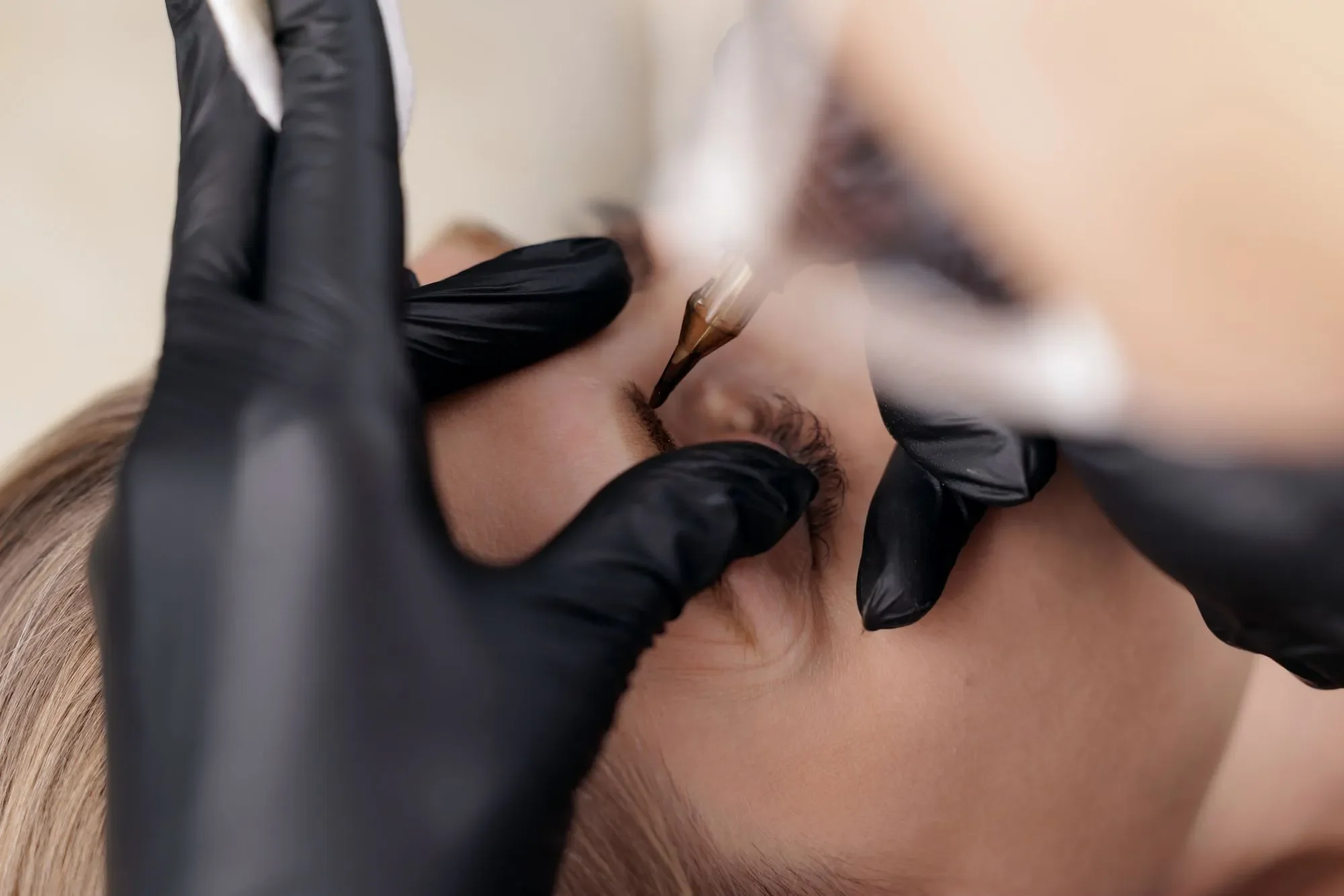
How tattoos affect your skin over time is an important consideration before choosing a tattoo style, placement, and level of detail. Tattoos change as the skin changes through aging, movement, sun exposure, collagen loss, and natural texture shifts. Some tattoos remain visually stable for many years, while others soften, fade, or distort more noticeably depending on the design and placement. Studio Vanassa helps clients choose tattoo approaches that align with long-term appearance expectations and skin behavior over time.
How Skin Changes Impact Tattoos Over the Years
Tattoos exist within the skin, so any long-term skin change can affect how the tattoo looks later. Aging does not damage every tattoo in the same way. The speed and visibility of change depend on factors such as sun exposure, skin quality, lifestyle, placement, and the tattoo style itself.
Most tattoos gradually soften over time rather than changing suddenly. Fine detail, edge sharpness, colour saturation, and overall clarity usually shift first as the skin ages naturally. Subtle changes may begin appearing within several years, while more noticeable aging often develops gradually over much longer periods depending on placement, UV exposure, and skin condition.
Age at the time of tattooing can also influence long-term appearance. Younger skin with stronger elasticity may retain structure differently over time compared to skin already experiencing collagen loss or texture changes.
Collagen Loss And Skin Elasticity
As the skin ages, collagen and elastin levels gradually decline. This affects firmness, stretch, and structural support within the skin. Tattoos placed on skin that loses elasticity may begin to look softer, less crisp, or slightly distorted over time.
Areas prone to frequent stretching or skin movement often show these changes more clearly. Thin skin areas, high-motion placements, weight fluctuations, pregnancy, muscle growth, and age-related skin laxity can all affect how a tattoo sits on the body years later.
Not all skin ages at the same rate. Genetics, hydration, skincare habits, smoking, and long-term sun exposure can influence how quickly elasticity changes become visible. Maintaining overall skin quality may help preserve tattoo appearance longer, although it cannot fully prevent natural skin aging.
Sun Exposure And Pigment Breakdown
Ultraviolet exposure is one of the most significant long-term factors affecting tattoo appearance. Repeated sun exposure can gradually break down pigment particles and reduce contrast, especially in tattoos exposed regularly without protection.
Black ink usually maintains visibility longer than lighter pigments because darker contrast remains easier to see as fading develops. Lighter colours, pastel tones, white highlights, and highly diluted pigments often lose visibility faster with prolonged UV exposure.
Regular sunscreen use and UV protection can help slow visible fading and reduce surrounding skin damage over time.
Sun damage can also affect the skin itself. Texture changes, uneven pigmentation, and premature aging in the surrounding skin can make tattoos appear older even when the ink remains relatively stable.
Natural Skin Texture Changes
Skin texture naturally changes with age. Dryness, thinning, roughness, enlarged pores, scarring, stretch marks, and uneven texture can alter how tattoo lines and shading appear over time.
These changes do not affect every tattoo equally. Large, simplified designs with more spacing often remain readable longer than highly detailed tattoos that rely on very fine line precision or tightly packed detail.
Skin conditions, previous injuries, or repeated friction in certain areas may also influence how consistently the tattoo surface ages. Chronic texture conditions may create ongoing appearance changes, while temporary irritation may not permanently affect the tattoo once the skin recovers.
Which Tattoos Age Better Than Others
Some tattoo styles hold their structure and visibility more effectively over time because they account for natural ink spread, fading, and skin movement. Longevity is not only about artist skill. Design density, spacing, contrast, placement, tattoo size, and skin type all influence how well a tattoo ages.
A tattoo that looks sharp initially may not age well if the design relies heavily on extremely small details or low contrast elements. Larger tattoos with balanced spacing generally maintain readability more effectively over long periods than compressed micro-detail work.
Fine Line Vs Bold Designs
Fine line tattoos can age well when spacing, scale, and placement are chosen carefully. However, extremely thin lines and tightly packed details are generally more vulnerable to softening as the skin changes and ink naturally settles over time.
Tightly grouped lines may gradually merge visually as minor ink spread develops within the skin over many years.
Bold designs usually maintain readability longer because thicker lines and stronger contrast remain visible even after gradual softening occurs. This does not mean all bold tattoos age perfectly or all fine line tattoos fail. The long-term result depends on execution, placement, scale, and how much detail is compressed into the design.
Fine line tattoos often age more successfully when the design allows enough spacing and overall size for details to remain visually separated over time.
High-motion areas may make fine detail distortion more noticeable compared to flatter or more stable skin areas.
Colour Vs Black And Grey Longevity
Black and grey tattoos often maintain visual definition longer because strong contrast remains visible even as gradual fading develops. Softer grey shading may lighten over time, but darker values usually remain easier to read compared to many lighter colours.
Colour tattoos can age very well when saturation, contrast, placement, UV exposure, and pigment selection are considered carefully. Some pigments fade faster depending on skin tone, placement, and environmental exposure.
Light pastel tones, white ink, and very soft colour transitions may lose visibility earlier than darker saturated colours. White ink in particular may soften, yellow slightly, or become less distinguishable from surrounding skin over time.
Longevity is also affected by how the colours interact with the client’s natural skin tone. Certain colour combinations remain more visible on some skin tones than others as the tattoo ages.
Placement Areas That Age Faster
Certain body areas are more prone to visible tattoo aging because of movement, stretching, friction, sun exposure, or skin texture changes.
Fingers and hands, because of friction, washing, and constant movement
Feet and ankles, due to pressure and skin turnover
Elbows and knees, because the skin folds and stretches repeatedly
Stomach and lower abdomen, where weight fluctuation and pregnancy may affect shape
Chest and shoulders with high sun exposure
Areas with frequent rubbing from clothing or equipment
Areas affected by major muscle growth or repeated skin expansion
Areas with more stable skin structure and lower movement generally maintain tattoo clarity and shape more consistently over time.
How Tattoo Appearance Changes Over Time
Tattoo aging is usually gradual. Most tattoos do not suddenly deteriorate unless the skin experiences significant trauma, scarring, or prolonged environmental damage. The most common long-term changes involve fading, softening, spreading, and shifts in overall visibility.
These changes do not always occur evenly across the entire tattoo. Some sections may fade faster than others depending on sun exposure, skin texture variation, friction, or placement.
The degree of visible change depends on tattoo style, placement, ink saturation, skin condition, and long-term care habits.
Fading, Blurring, And Ink Migration
Tattoo pigment naturally settles and softens over time. This can reduce edge sharpness and make very fine details appear less defined years later.
Ink migration refers to gradual spreading beneath the skin as the tattoo ages. Small amounts of long-term spreading are common and differ from severe blowouts caused by improper ink placement during tattoo application.
Heavily saturated tattoos may retain stronger contrast longer, while lighter shading and soft-detail work may lose separation earlier as the tattoo softens.
Fading develops gradually through UV exposure, skin turnover, and long-term environmental wear. Areas exposed to regular sunlight often show fading earlier than protected areas.
Changes In Shape With Skin Movement
Skin movement affects tattoos differently depending on placement and body changes over time. Tattoos placed on areas prone to stretching or repeated motion may gradually shift in shape or spacing.
Weight fluctuation, muscle development, pregnancy, and age-related skin laxity can all influence tattoo appearance. Geometric, symmetrical, or highly structured designs may show visible shape changes more noticeably than more organic compositions.
Larger tattoos with balanced spacing and simplified structure usually tolerate long-term movement changes more effectively than tightly compressed detail work.
Distortion is usually progressive rather than immediate. The degree of visible change depends heavily on the amount of skin movement in that location over time.
Visibility Changes On Different Skin Tones
Tattoo visibility changes differently across skin tones because contrast levels vary between pigment colour and natural skin colour. As tattoos soften with age, lower contrast areas may become less visually defined sooner.
Certain lighter pigments may become less visible over time on deeper skin tones, while very soft grey shading can fade into the surrounding skin more gradually on lighter complexions.
Undertones can also influence long-term visibility. Warm, cool, or deeper undertones may affect how certain pigments maintain contrast as the tattoo ages.
Low-contrast colour combinations may become harder to distinguish from surrounding skin over time, especially after gradual fading develops.
Visibility changes do not mean tattoos age poorly on specific skin tones. They mean colour selection, contrast, and design spacing should account for long-term readability within the client’s natural skin tone.
Long-Term Maintenance And Touch-Ups
Some tattoos require little visible maintenance for many years, particularly larger black and grey work or designs with strong spacing and contrast. Other tattoos may benefit from touch-ups to restore contrast, sharpen softened areas, or refresh faded colour.
Touch-ups cannot always recreate the exact appearance of a brand-new tattoo. Once lines soften or ink spreads naturally within the skin, there may be practical limits to how much detail can be restored safely.
In cases where fading, migration, or distortion becomes significant, a simple touch-up may no longer be enough. Some tattoos may require redesigning, reworking, or cover-up planning instead of isolated correction work.
Repeated touch-ups over the same area can also place additional stress on the skin over time, particularly if aggressive reworking is attempted repeatedly.
Long-term maintenance also includes protecting the skin itself. Sun protection, skin hydration, and minimizing repeated skin trauma can help preserve tattoo clarity over time.
Not every aging tattoo requires correction. In many cases, gradual softening is considered a normal part of how tattoos mature within the skin.
When Tattoo Aging Becomes A Concern
Tattoo aging becomes more noticeable when fading, distortion, spreading, or skin texture changes significantly affect readability or overall appearance. This is more common in tattoos with extremely fine detail, minimal spacing, or placement in high-movement areas.
Sudden or unusual changes should not automatically be assumed to be normal tattoo aging. Significant texture changes, raised skin, abnormal pigment changes, or irritation may require medical assessment rather than cosmetic correction alone.
Some aging changes can be improved through touch-ups, reworking, cover-up planning, or design adjustments. Others may have structural limitations depending on how the skin and pigment have changed over time.
Choosing A Tattoo That Ages Well At Studio Vanassa
At Studio Vanassa, tattoo longevity is considered during the design process rather than only after the tattoo ages. Placement, spacing, line weight, contrast, movement areas, and long-term readability all influence how the tattoo may look years later.
Consultation discussions may include skin type, lifestyle factors, sun exposure habits, and how much long-term maintenance the client is comfortable with. Design spacing, scale, placement, and structural composition may also be adjusted to improve long-term readability instead of prioritizing only short-term detail.
Studio Vanassa approaches tattoo aging as a normal part of how tattoos interact with living skin over time. The goal is to help clients choose designs that maintain readability, contrast, and structural consistency as the skin naturally changes.