
Microblading vs Powder Brows: Which Is Better for Your Skin Type?
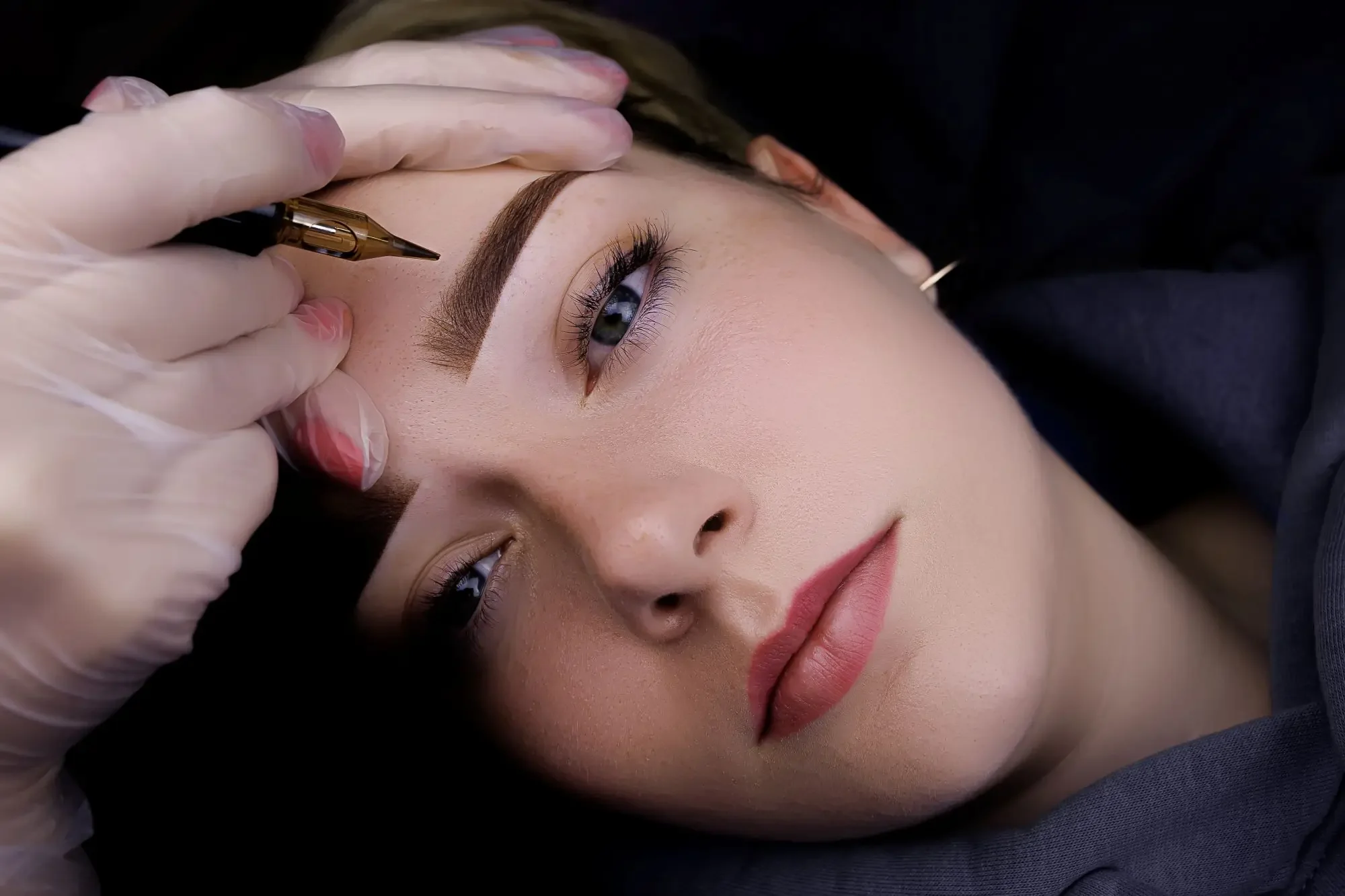
Microblading and powder brows are two different eyebrow tattoo techniques that produce different results depending on skin type, healing behavior, and long-term retention. The method that looks best immediately is not always the one that heals best or lasts the longest. Studio Vanassa evaluates skin characteristics first because skin type directly affects pigment retention, definition, and overall outcome.
Choosing the wrong method for your skin often leads to blurred results, uneven fading, or the need for frequent corrections. Understanding how each technique interacts with different skin types allows for a more predictable and stable result.
What Is Microblading vs Powder Brows
Microblading uses a manual blade to create fine, hair-like strokes by placing pigment into the skin. The goal is to mimic natural eyebrow hairs, creating a soft and realistic appearance. This technique relies on crisp lines staying defined after healing. The pigment is placed through small incisions in the upper dermal layer, which makes the result highly dependent on how the skin heals and retains those individual strokes.
Powder brows use a machine to deposit pigment in a soft, shaded pattern. Instead of individual strokes, the result is a more diffused, filled-in look similar to makeup. The pigment is layered more gradually and evenly into the skin, which allows for more controlled depth and distribution.
The difference is not just visual. Microblading creates individual channels that must heal cleanly to maintain definition, while powder brows distribute pigment across a broader area, which tends to reduce patchiness and improve consistency in how the color settles and fades.
How Skin Type Affects Results
Skin type determines how well pigment holds, how sharply details heal, and how quickly results fade. Oil production, pore size, skin thickness, and elasticity all influence how the pigment settles.
Oily skin tends to blur fine lines over time because excess oil disperses pigment beneath the surface. Dry skin holds crisp detail more effectively because there is less movement in the skin during healing. Combination skin can produce mixed results, where areas with more oil, typically the front of the brow, soften faster than drier tail areas, which can lead to uneven definition across the brow.
Mature skin behaves differently due to reduced elasticity and thinner tissue, which can cause pigment to settle less evenly. Sensitive skin may react more during healing through increased inflammation, which can affect how much pigment is retained. Acne-prone or textured skin can also disrupt pigment placement, especially if breakouts occur during healing or if the surface is uneven.
These factors directly impact whether a technique will heal cleanly or become soft and undefined.
Microblading for Different Skin Types
Microblading performs best on normal to dry skin where fine strokes can remain defined after healing. When the skin is stable and not overly oily, the lines stay crisp and closely resemble natural hair.
On oily skin, microblading tends to lose definition as the strokes spread slightly under the skin. This can result in a softer, less distinct look than intended. Over time, the strokes may blend together rather than staying separated, which often requires more frequent touch-ups to maintain structure.
On mature skin, microblading can be less predictable because thinner skin may not hold sharp lines as well. The strokes can expand, fade unevenly, or heal with gaps depending on skin condition.
Microblading may not be suitable in cases of very oily skin, highly textured skin, or skin that does not retain pigment well, as the intended hair-like detail may not hold over time.
Microblading is most suitable when the goal is a natural, hair-like result and the skin can support fine detail without distortion.
Powder Brows for Different Skin Types
Powder brows are more adaptable across different skin types because the technique does not rely on sharp individual lines. The shaded effect allows for more consistent pigment distribution even when the skin produces oil or has larger pores.
Oily skin typically responds better to powder brows because the softer shading is less affected by pigment movement. The result remains more even instead of blurring unevenly.
Mature skin often benefits from powder brows because the shading works with the skin’s texture rather than against it. Instead of trying to maintain fine strokes, the technique creates a uniform appearance that holds more consistently.
Sensitive skin can also respond more predictably to powder brows because the application is more controlled and less dependent on creating precise cuts in the skin, with pigment layered at a more consistent depth.
Powder brows can appear too dense if too much pigment is applied or if the desired look is very minimal, which means technique and saturation must be adjusted based on the client’s preference and skin response.
Powder brows may be less suitable for clients seeking extremely fine, hair-like detail in very sparse areas, where structure rather than shading is the primary goal.
Healing and Longevity Differences
Microblading and powder brows heal differently due to how the pigment is placed. Microblading involves creating fine incisions, which means healing can vary depending on how the skin recovers from those cuts. Some strokes may heal lighter or disappear if the skin does not retain pigment evenly, especially if inflammation or oil disrupts the healing process.
Powder brows heal more evenly because the pigment is layered gradually across the brow. This often results in more consistent color retention across the entire brow instead of isolated areas fading faster than others.
In terms of longevity, powder brows generally last longer before needing a refresh, often maintaining shape and density more consistently over time. Microblading may require more frequent touch-ups, particularly on skin types that do not hold fine detail well.
Healing time is similar in duration, but the outcome stability differs. Powder brows tend to maintain their shape and density longer, while microblading strokes typically soften and lose definition sooner as the pigment disperses.
Aesthetic Differences in Final Results
Microblading produces a natural look that closely mimics individual hairs. This works well for clients who want subtle enhancement rather than a defined makeup appearance. Over time, these strokes tend to soften and can lose some separation, especially depending on skin type.
Powder brows create a more filled-in look with soft gradients. The result can be adjusted from very natural to more defined depending on how much density is built during the procedure. As they fade, powder brows typically do so more evenly across the brow rather than in isolated areas.
Microblading cannot fully replicate the density of a shaded brow without losing its hair-like effect, while powder brows cannot create the same level of fine individual stroke detail.
Which Option Is Better for Your Skin Type
The better option depends on how the skin behaves over time, not just how it looks immediately after the procedure.
Microblading is typically better for normal to dry skin that can hold crisp lines and maintain separation between strokes. It suits clients looking for a subtle, hair-like finish.
Powder brows are generally better for oily, mature, or sensitive skin where consistent shading produces a more stable result. It suits clients who want longer-lasting definition with fewer inconsistencies during healing.
When skin conditions are borderline or mixed, a combination approach may be considered, where structure is created with strokes and supported with soft shading, but the decision should still prioritize how the skin will retain pigment over time.
Skin type can also change over time due to aging, hormonal shifts, or skincare routines, which can affect how pigment holds in future touch-ups.
These recommendations reflect common outcomes based on how different skin types typically respond, not guaranteed results for every individual.
Choosing based on skin type reduces the likelihood of premature fading, blurred results, or corrective work later.