
Powder Brows Vs Ombre Brows: What’s The Difference?
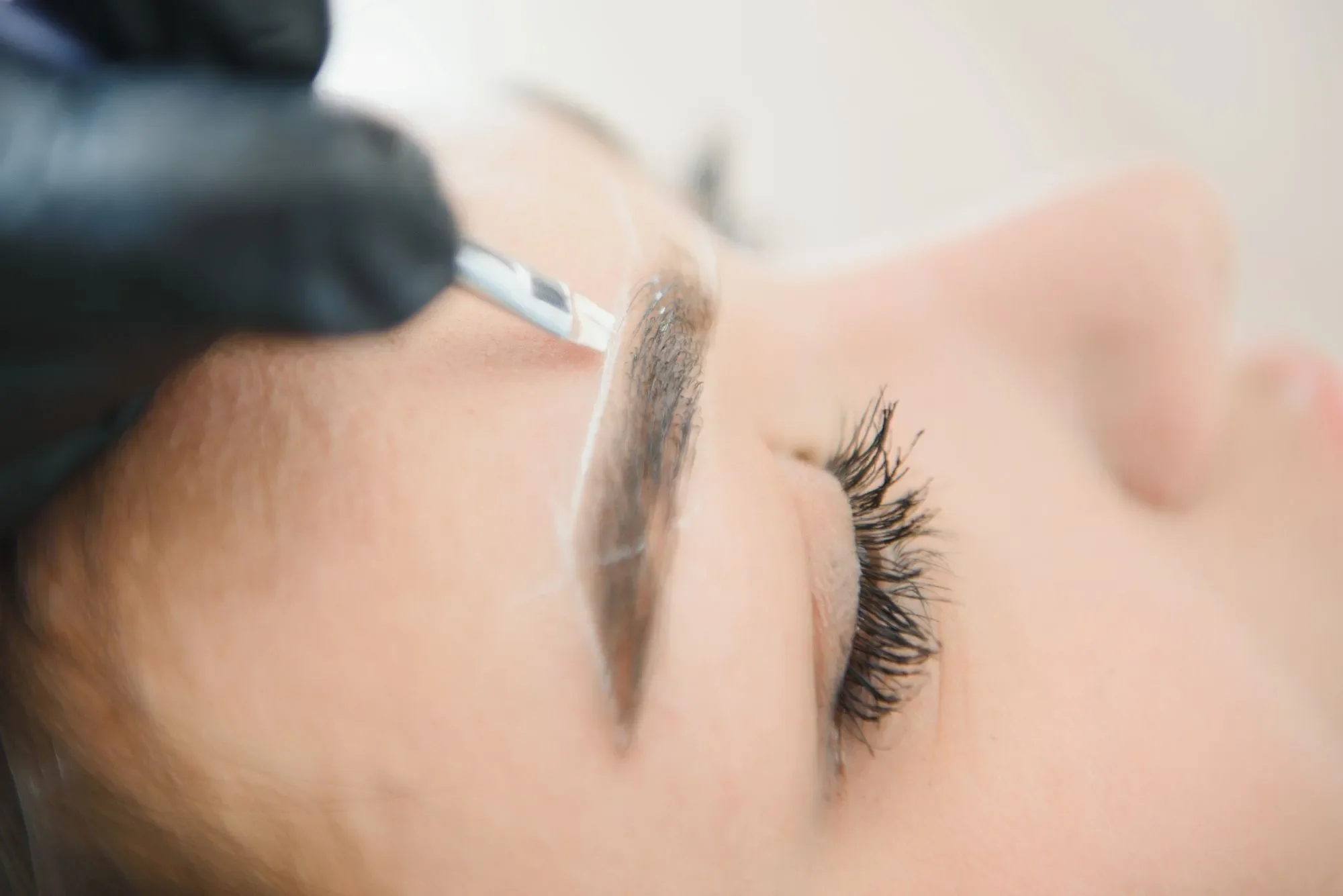
Powder brows and ombre brows are often discussed as separate treatments, but the distinction between them is more nuanced than many clients expect. The right choice depends on the desired appearance, skin type, lifestyle, healing expectations, and long-term maintenance goals. At Studio Vanassa, brow selection begins with understanding how different shading techniques interact with individual skin characteristics and aesthetic preferences.
Why Powder And Ombre Brows Are Often Confused
Powder brows and ombre brows both use machine shading techniques rather than individual hair strokes. Because they rely on similar tools, pigments, and implantation methods, the terms are frequently used interchangeably within the beauty industry.
In practice, ombre brows are generally considered a variation of powder brows rather than a completely separate procedure. The primary distinction is the way pigment saturation is distributed throughout the brow.
Differences in terminology between artists, training programs, geographic regions, and marketing approaches can also contribute to confusion. Some artists use "powder brows" as a broad category, while others distinguish more specifically between powder, ombre, and other shading styles. In most cases, the equipment and pigment systems used are largely the same, while the application pattern creates the visual difference.
How Powder Brows And Ombre Brows Are Applied
Both techniques use a cosmetic tattoo machine to implant pigment into the skin using repeated shading motions. The difference lies primarily in how pigment density and visual transitions are created throughout the brow shape.
The overall brow structure, skin characteristics, and desired aesthetic outcome determine how shading is distributed. Both techniques typically use similar implantation depths, with the visible differences resulting primarily from saturation patterns and shading placement.
Pigment Saturation And Shading Approach
Traditional powder brows typically use more evenly distributed pigment saturation throughout most of the brow while still incorporating natural variation where appropriate.
Ombre brows intentionally vary pigment saturation, creating lighter shading at the front of the brow and gradually increasing saturation toward the arch and tail.
The amount of contrast can vary significantly depending on the desired outcome, ranging from subtle gradients to more defined makeup-inspired appearances. Most modern powder brow techniques also incorporate some degree of gradient or transition rather than creating completely uniform shading.
Gradient Effect Vs Uniform Fill
The defining characteristic of ombre brows is the intentional gradient effect. This creates a softer appearance at the front of the brow and greater definition toward the outer portion.
Powder brows often produce a more evenly distributed appearance, although complete uniformity is rarely the goal. Most modern powder brow techniques incorporate some level of natural transition to avoid an overly solid appearance.
Because artistic styles vary, some brow treatments may fall between traditional powder and ombre classifications. The degree of gradient is often adjusted according to facial features, brow shape, and the client's aesthetic preferences.
Key Differences In Appearance And Finish
The most noticeable difference between powder and ombre brows is the visual effect created after healing. The desired makeup style, facial features, and personal preferences often determine which approach appears more natural or flattering.
Neither technique is universally more natural than the other. Perceived naturalness depends largely on saturation level, execution, facial proportions, and individual aesthetic goals.
Soft Makeup Look Vs Defined Gradient
Powder brows often resemble softly filled makeup and can create a diffused appearance across the entire brow. Ombre brows generally create greater visual definition through controlled contrast, particularly between the front and tail portions of the brow. This makeup-inspired effect often resembles the appearance of brow powder, brow pencil, or professionally applied cosmetic brow products. The distinction becomes more subtle after healing because all cosmetic tattoo brows soften as pigment settles within the skin.
How Each Heals On The Skin
Both powder and ombre brows typically appear darker immediately after treatment before softening during the healing process.
Healing results depend on factors such as skin type, pigment selection, aftercare compliance, immune response, and individual skin regeneration patterns. Brows generally darken initially, lighten during healing, and stabilize after the skin completes its regeneration cycle.
Ombre brows generally retain their gradient effect after healing, while powder brows often maintain a softer, more evenly distributed appearance. Patchiness during healing is more closely related to skin characteristics and individual healing response than to the brow style selected. Final healed results cannot be evaluated until the skin has fully completed the healing cycle.
Which Brow Technique Works Best For Your Skin Type
Skin type plays a significant role in pigment retention, healed appearance, and long-term maintenance requirements. The same brow technique can heal differently depending on oil production, skin texture, pore size, and environmental factors.
The goal is not simply selecting the most attractive style, but choosing the technique most likely to heal predictably. In most cases, both powder and ombre brows perform similarly on oily skin because they rely on the same machine shading principles.
Oily, Dry, And Combination Skin Considerations
Powder and ombre brows are generally considered suitable for a wide range of skin types, including oily skin. Unlike certain other brow enhancement techniques, machine shading methods often maintain their structure more predictably on oilier complexions.
Dry skin may retain finer transitions and softer gradients more clearly, while increased oil production can gradually soften pigment definition and reduce the visibility of sharp transitions over time. Combination skin can exhibit characteristics of both depending on the area of the brow. Although both techniques can perform well on oily skin, individual healing responses vary significantly.
How Skin Texture Affects Retention
Skin texture can influence pigment retention, healed appearance, and the visibility of fine transitions within the brow design. Larger pores, scar tissue, mature skin changes, and uneven skin texture may affect how consistently pigment heals across different areas of the brow. In some cases, additional refinement appointments may be necessary to achieve balanced results.
Skin texture affects predictability rather than determining whether a client is eligible for treatment. Scar tissue and mature skin do not automatically disqualify treatment but may influence the final outcome.
Longevity And Maintenance Differences
Powder and ombre brows generally have similar longevity because both rely on machine shading techniques. Individual fading patterns often have a greater impact on maintenance schedules than the specific shading style selected.
Factors such as skin type, sun exposure, skincare products, lifestyle, and immune response often influence longevity more than brow style alone. Most clients do not experience meaningful differences in longevity between powder and ombre techniques.
Fading Patterns Over Time
Powder brows typically fade with a relatively even reduction in pigment intensity across the brow. Ombre brows usually retain their overall gradient pattern during fading, although the contrast between lighter and darker areas may gradually soften. This occurs because the visual difference between saturation levels becomes less pronounced as pigment fades.
Fading patterns vary between individuals, and environmental exposure and skincare habits often influence long-term appearance.
Touch-Up Frequency Expectations
Most clients require periodic maintenance appointments to maintain shape definition and pigment visibility. The timing of touch-ups depends on how quickly the individual metabolizes pigment and how much fading is considered acceptable.
Oily skin, increased sun exposure, exfoliating skincare products, and certain lifestyle factors may shorten maintenance intervals. Maintenance schedules are typically determined by healed results and client preferences rather than fixed industry timelines.
When Powder Brows Or Ombre Brows Are Not Ideal
Powder brows and ombre brows are not appropriate for every client or every aesthetic goal. Clients seeking highly realistic individual hair simulation may prefer other brow enhancement techniques. Certain skin conditions, active irritation, compromised skin barriers, ongoing dermatological treatments, recent cosmetic procedures, pregnancy considerations, active infections, certain medications, or healing disorders may also require delaying or avoiding treatment.
In some cases, facial anatomy, brow asymmetry, scarring, unrealistic aesthetic expectations, or incompatible treatment goals may require modification of the treatment plan or alternative approaches.
Choosing The Right Brow Technique At Studio Vanassa
At Studio Vanassa, brow technique selection begins with evaluating skin characteristics, facial proportions, existing brow structure, lifestyle considerations, and aesthetic goals rather than selecting a trend-based treatment.
Because healed cosmetic tattoo results vary between individuals, customized treatment planning helps improve the predictability of healed appearance, pigment retention, long-term maintenance requirements, and overall aesthetic outcomes.