
How To Choose The Right Lash Style For Your Eye Shape
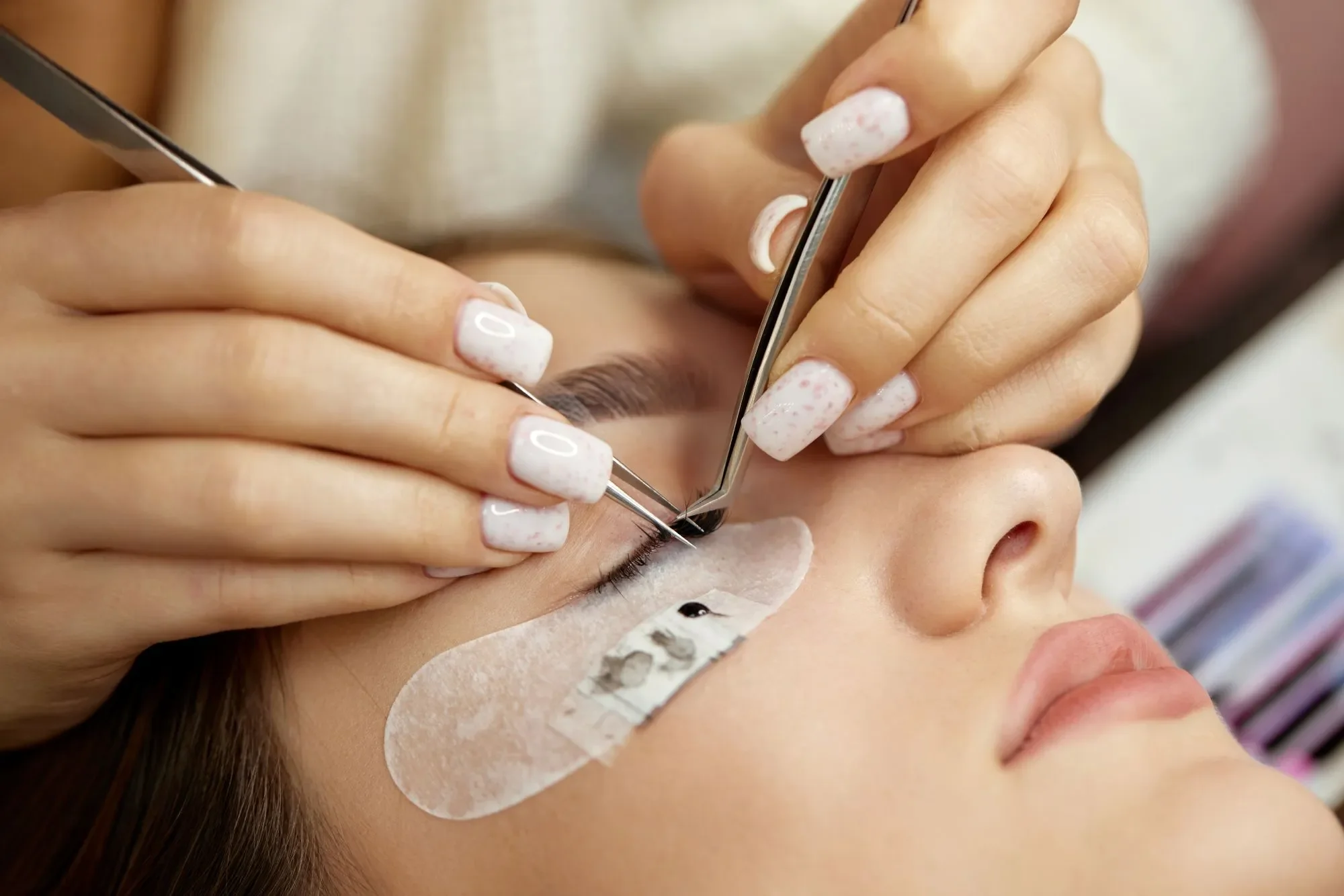
Choosing the right lash style for your eye shape can affect how balanced, open, lifted, or symmetrical the eyes appear. While trending lash styles may look appealing, the most successful lash extensions are usually determined by eye shape, natural lash health, facial proportions, and the visual effect you want to achieve. At Studio Vanassa, lash styling begins with understanding how different lash maps interact with natural eye anatomy.
Why Eye Shape Matters More Than Lash Trend
Lash styles create visual effects by changing the perceived width, height, lift, and symmetry of the eyes. The same style can make one person's eyes appear larger and more lifted while making another person's eyes look smaller, heavier, or less symmetrical. Eye shape determines where length, curl, and density should be placed to create the intended effect.
Choosing a style based only on trends or photos from social media often ignores differences in eyelid shape, eye spacing, natural lashes, and facial proportions. This can result in lash extensions that technically match the requested style but do not achieve the desired appearance.
While eye shape determines what styling approaches are likely to produce the best visual result, personal preference still influences the final aesthetic direction.
How Lash Mapping Changes The Appearance Of Eyes
Lash mapping controls how length, curl, density, and texture are distributed across the lash line. Small adjustments in placement can significantly change how the eyes appear.
For example, placing the longest lashes near the outer corner can create a wider or lifted appearance, while concentrating length toward the centre can increase the perception of eye openness. Lash artists commonly use mapping to create effects such as lift, elongation, widening, balancing, and increased openness. The same eye shape can often support multiple lash maps depending on the visual effect being created.
Common Mistakes When Choosing Lash Styles
One of the most common mistakes is choosing a style because it looks good on someone else without considering differences in eye shape. Another is selecting excessive length or volume to create drama, which can sometimes make the eyes appear smaller or visually heavier.
Clients also frequently overlook factors such as eyelid space, eye symmetry, natural lash strength, and how lash styling interacts with glasses, makeup preferences, and daily wear. Excessive length or curl can create contact issues with glasses and may alter the intended appearance.
In many cases, an unsuitable lash style creates visual imbalance before it creates any physical issues with the natural lashes.
Identifying Your Eye Shape Before Choosing A Style
Understanding your eye shape provides the foundation for selecting a lash style that enhances rather than competes with your natural features. While many people identify with one primary eye shape, combinations of characteristics are common.
Eye shape evaluation typically considers eyelid visibility, eye width, eye height, eye spacing, and the position of the outer corners relative to the rest of the eye. When multiple characteristics overlap, lash artists typically prioritize the features that most influence overall visual balance.
Almond, Round, Hooded, And Monolid Differences
Almond eyes are generally considered the most versatile because they can support a wide range of lash mappings without creating visual imbalance.
Round eyes often benefit from styles that elongate the appearance of the eye rather than adding additional height. Hooded eyes usually require strategic curl placement and controlled lengths to avoid visually closing the eye. Monolid eyes often benefit from curl patterns and lash placement that create greater visible definition above the lash line.
Hooded eyes and downturned eyes should not be treated as the same characteristic. Hooded eyes describe eyelid structure, while downturned eyes refer to the angle of the outer corners.
Individual anatomy varies significantly, which means eye shape categories should be treated as guidelines rather than fixed rules. Many clients exhibit characteristics of multiple eye shape categories simultaneously.
Close-Set Vs Wide-Set Eye Considerations
Eye spacing affects how lash extensions influence overall facial balance. Close-set eyes often benefit from styles that create visual width toward the outer portions of the eye.
Wide-set eyes may benefit from lash maps that emphasize the centre or inner portions of the eye to reduce the appearance of excess spacing.
A common guideline is to compare the distance between the eyes to the approximate width of one eye, although professional assessment typically considers additional facial proportions. Because eye spacing and eye shape interact with one another, lash mapping decisions often require balancing multiple visual factors simultaneously.
Matching Lash Styles To Eye Shapes
The ideal lash style depends on both eye shape and the visual effect the client wants to achieve.
Eye ShapeCommon Lash GoalOften Suitable StylesConsiderationsAlmondEnhance natural proportionsWispy, cat eye, doll eye, hybridCan support multiple mapping stylesRoundCreate elongationCat eye, kitten eye, hybridExcessive centre length can exaggerate roundnessHoodedIncrease visible opennessOpen eye, squirrel, textured hybridExcessive weight can reduce eye opennessMonolidCreate visible definitionOpen eye, doll eye, textured volumeCurl selection becomes particularly importantClose-setIncrease visual widthCat eye, elongated hybridOuter emphasis often improves balanceWide-setReduce perceived spacingOpen eye, doll eyeCentre emphasis may improve symmetryDownturnedCreate liftSquirrel, modified cat eyeHeavy outer corners can increase downward appearanceUpturnedMaintain balanceNatural, hybrid, wispyExcessive outer length may create imbalance
These patterns reflect common industry practice rather than absolute rules. Final styling decisions depend on natural lash health, facial proportions, personal preference, and the ability of the natural lashes to support the desired style. When aesthetic goals and anatomy conflict, lash artists often modify curl, length, density, or mapping placement to achieve a balanced result.
Choosing Between Natural Enhancement Vs Dramatic Effect
The decision between natural and dramatic lash styling depends on lifestyle, eye shape, natural lash strength, and the visual outcome being pursued.
A dramatic style is not always created by increasing length or volume. Placement, texture, curl, and density can all contribute to visual impact, and strategic styling choices can sometimes create more dramatic results than simply adding additional lashes.
When Subtle Lash Styling Works Best
Subtle lash styling often works best when the goal is to enhance existing features without creating a noticeably artificial appearance. This approach can also be beneficial for clients with finer natural lashes, professional workplace requirements, or eye shapes that become visually overwhelmed by excessive volume.
Natural enhancement styles may also age more predictably between fill appointments because they create less visible variation as natural lash shedding occurs.
When Volume Or Length Creates Imbalance
Additional volume or length does not always create a more flattering result. Excessive length can reduce perceived eye openness, create visual heaviness, exaggerate asymmetry, and place disproportionate emphasis on certain facial features.
High-volume styling may also compete with facial proportions, eyelid structure, or eye shape. Suitability depends on natural lash support, eye anatomy, and the intended visual effect. In some cases, reducing volume or adjusting lash placement creates a more dramatic visual improvement than simply adding more lashes.
Lash Length, Curl, And Density: What Actually Matters
Length, curl, and density work together to determine both appearance and wearability. No single variable should be selected independently.
In many cases, curl has the greatest influence on perceived eye openness, while length affects proportion and density affects visual intensity. The most successful lash sets balance aesthetic goals with the physical limitations of the client's natural lashes.
How Curl Types Affect Eye Openness
Curl selection directly influences how open or lifted the eyes appear. Stronger curls can increase visible lash height and improve perceived openness, particularly for hooded or downward-facing eyes.
However, stronger curls do not automatically create better results. Excessive curl can reduce balance, create styling inconsistencies, or produce a less natural appearance depending on eye anatomy. Curl classifications can also vary somewhat between manufacturers and lash systems.
Length And Weight Limits For Natural Lashes
Natural lashes have practical limits for supporting extension length and weight. These limitations are determined by natural lash thickness, density, growth patterns, and overall lash health. Exceeding these limits can reduce retention, increase stress on natural lashes, and create an unbalanced appearance.
Appropriate extension selection depends on natural lash thickness, density, growth patterns, and overall lash health. Longer or heavier styles are not suitable for every client, regardless of aesthetic preference. Determining whether natural lashes can support a particular style typically requires professional assessment.
When A Custom Lash Consultation Is Necessary
While many clients can identify a preferred style category, certain anatomical and aesthetic factors make a professional consultation particularly important.
Custom consultations allow lash artists to evaluate eye shape, symmetry, natural lashes, lifestyle considerations, desired visual outcomes, natural lash support, facial proportions, and long-term wearability simultaneously. These assessments often extend beyond what can be determined during a standard booking selection process.
Signs You Should Not Choose A Style Yourself
A professional consultation may be necessary if your eyes appear noticeably asymmetrical, you have hooded or mature eyelids, you wear glasses regularly, you have experienced poor retention previously, or you are unsure whether your natural lashes can support your desired style.
Consultation is also recommended when attempting significant changes in length, volume, curl pattern, or overall visual effect. Generalized online lash style charts can provide inspiration, but they cannot account for individual differences in anatomy, symmetry, or natural lash health.
Choosing Lash Extensions At Studio Vanassa In Edmonton
At Studio Vanassa, lash extension styling begins with evaluating eye shape, facial balance, natural lash health, and personal preferences rather than selecting a trend-based style. This approach helps ensure that the chosen lash map enhances the client's features while remaining appropriate for their natural lashes.
Because eye shape, lash health, and styling goals vary significantly between individuals, customized lash mapping often produces more consistent results by balancing desired appearance, natural lash support, retention, and long-term wearability.