
Paramedical Tattooing For Stretch Marks: Does It Work
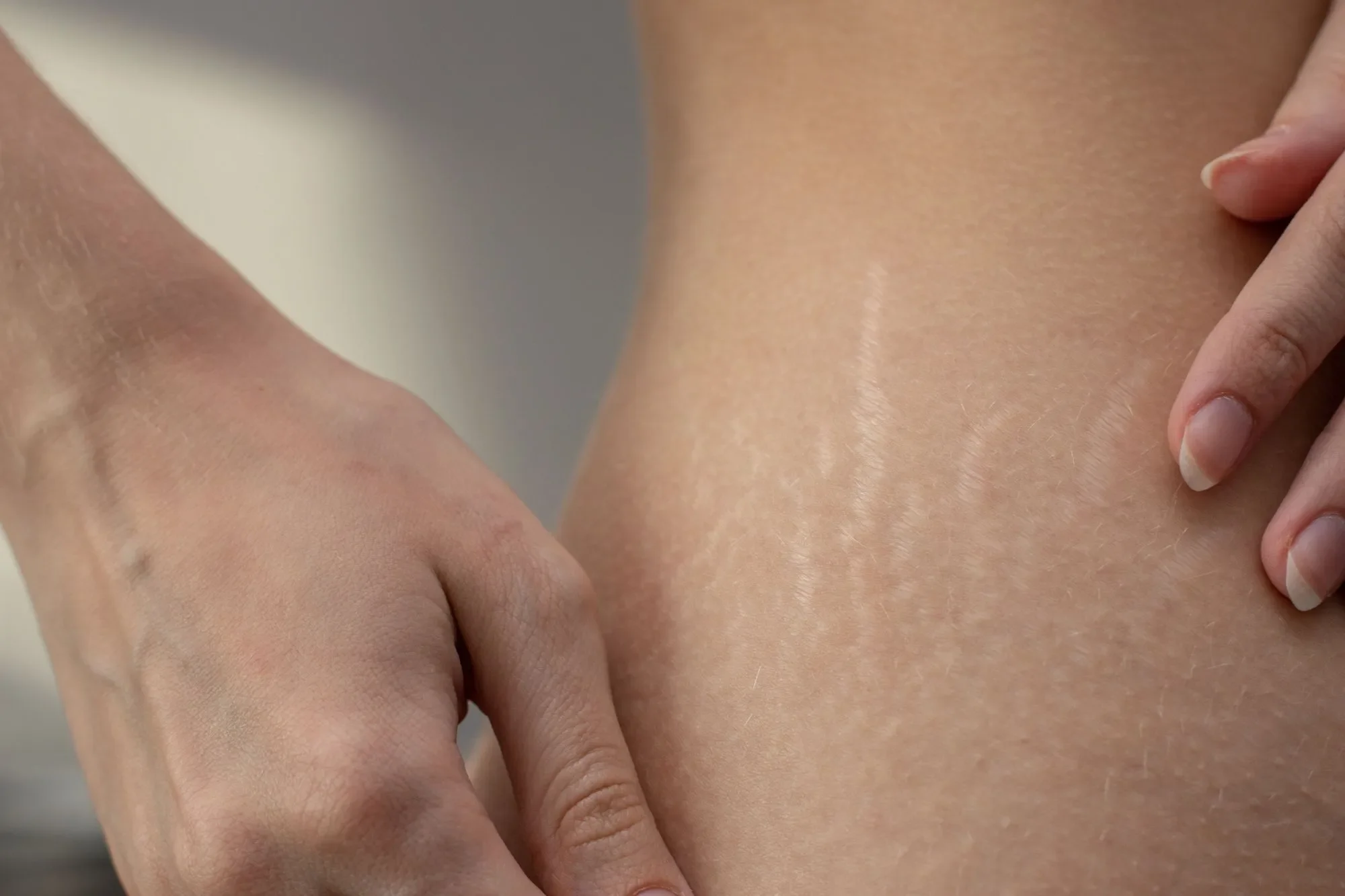
Stretch marks are a common skin concern that can develop after pregnancy, weight fluctuations, growth spurts, muscle gain, or hormonal changes. While stretch marks are not harmful, many people become self-conscious about the colour contrast they create against surrounding skin. Paramedical tattooing for stretch marks is designed to reduce that contrast by blending the affected area more closely with the surrounding skin tone. Studio Vanassa provides stretch mark camouflage treatments for suitable candidates seeking a cosmetic improvement in the appearance of mature stretch marks.
How Stretch Marks Affect Skin And Colour
Stretch marks form when the skin stretches faster than underlying tissues can adapt. As the skin heals, the affected areas often develop a different appearance than the surrounding skin.
Even after the skin has fully healed, colour differences often remain because stretch marks contain altered pigment distribution and scar-like tissue changes that do not always return to the surrounding skin's natural colour. This is one reason mature stretch marks may remain visible for years after they first develop.
The visibility of stretch marks is influenced by both colour differences and changes within the skin structure. Understanding this distinction is important when evaluating whether camouflage tattooing is likely to produce meaningful improvement.
Why Stretch Marks Appear Lighter Or Darker
Stretch marks can appear lighter or darker than surrounding skin depending on skin tone, healing response, age of the stretch marks, and individual pigmentation characteristics.
Many mature stretch marks appear lighter because the affected area contains less pigment than surrounding skin. In some individuals, stretch marks may appear darker due to post-inflammatory pigmentation changes.
Darker stretch marks are often associated with post-inflammatory hyperpigmentation during earlier stages of healing. As stretch marks mature, they frequently become lighter than surrounding skin, which is why lighter mature stretch marks are among the most common candidates for camouflage tattooing.
The greater the contrast between the stretch mark and surrounding skin, the more noticeable the area tends to be. Camouflage tattooing focuses primarily on reducing this colour difference.
Many stretch marks also respond differently to sun exposure than surrounding skin. As a result, tanning does not always reduce the contrast between the stretch mark and adjacent skin and may occasionally make the difference more noticeable.
Texture Vs Pigment Differences
Stretch marks often involve both pigment changes and textural changes. Pigment differences affect colour, while textural changes affect how the skin surface feels and reflects light.
Some stretch marks may appear slightly indented, while others may have subtle surface irregularities. Even when colour differences are improved, texture changes can still remain visible under certain lighting conditions.
Pigment differences are typically the primary target of stretch mark camouflage. While improving colour can make stretch marks less noticeable, significant texture irregularities may remain visible regardless of pigment improvement.
This distinction is one of the most important factors affecting treatment expectations because pigment can often be addressed more effectively than texture.
How Paramedical Tattooing Treats Stretch Marks
Paramedical tattooing works by implanting custom-blended pigment into the affected area to help reduce visual contrast between stretch marks and surrounding skin.
The goal is camouflage rather than removal. The treatment does not eliminate stretch marks but aims to make them less noticeable by improving colour consistency.
Colour Matching To Surrounding Skin
Colour matching is one of the most important parts of stretch mark camouflage. Pigments are selected and adjusted to align as closely as possible with the surrounding skin tone.
Factors such as natural undertones, tanning habits, skin depth, and healing response can influence pigment selection. Because skin colour varies between individuals and throughout different areas of the body, customization is necessary for each treatment.
Colour matching can become more challenging when skin tone changes significantly throughout the year due to tanning, uneven pigmentation, or other factors that alter the appearance of the surrounding skin.
Successful colour matching helps the treated area blend more naturally with the surrounding skin once healing is complete.
Future tanning, pigmentation changes, or other skin tone variations can influence how closely the treated area continues to blend with surrounding skin over time.
Blending Techniques For Camouflage
Camouflage treatments rely on gradual pigment placement techniques that help soften the visual boundaries between stretch marks and unaffected skin.
Rather than creating a solid block of colour, the objective is to create a more natural transition that reduces the visibility of the treated area.
Multiple sessions are common because pigment retention, healing response, and colour refinement can only be fully evaluated after the treated area has healed. Additional sessions allow adjustments that improve blending and help achieve a more natural appearance.
Why Texture Cannot Be Fully Corrected
Paramedical tattooing addresses colour differences rather than structural changes within the skin. While the treatment can make stretch marks less noticeable, it does not rebuild collagen or restore the skin's original texture.
This limitation exists because pigment placement affects appearance rather than the underlying tissue architecture responsible for texture changes.
Indented, raised, or uneven areas may still be visible even after successful pigment camouflage. In some cases, reducing the colour contrast makes texture less noticeable overall, but texture correction should not be considered the primary outcome of treatment.
Understanding this limitation is essential when determining whether stretch mark camouflage aligns with treatment goals.
In some situations, individuals may explore separate treatments that focus specifically on texture concerns. However, those treatments address different goals than stretch mark camouflage tattooing.
Who Is A Good Candidate For Stretch Mark Camouflage
Not every stretch mark responds equally to camouflage tattooing. Candidate selection plays a major role in treatment success and overall satisfaction.
Skin tone, stretch mark maturity, healing history, and overall skin condition should all be evaluated before proceeding with treatment.
Skin Tone Considerations
Stretch mark camouflage can be performed on a variety of skin tones, but treatment planning may differ depending on pigmentation characteristics and contrast levels.
Results can vary between lighter and darker skin tones because colour matching complexity, pigment visibility, and contrast levels differ from person to person.
Colour matching can become more complex when skin tone changes significantly throughout the year due to tanning or seasonal colour variation. Individuals with highly variable skin tone should discuss these factors during consultation.
The goal remains the same across all skin tones: reducing the visibility of the stretch mark by improving colour integration with surrounding skin.
Successful outcomes are possible across many skin tones, but treatment planning and expectations should reflect the unique characteristics of the individual's skin and stretch marks.
Age And Maturity Of Stretch Marks
Mature stretch marks generally respond more predictably than newly formed stretch marks. Older stretch marks tend to have stabilized in both colour and appearance, making colour matching more consistent.
Mature stretch marks are generally those that have completed the active healing phase and reached a stable colour and appearance.
Newer stretch marks may continue changing during the natural healing process. Beginning camouflage treatment before the stretch marks have fully matured can make long-term colour matching more difficult.
The timeline for maturity varies between individuals. Assessment should focus on the condition of the stretch marks rather than a fixed timeframe.
Assessment of stretch mark maturity helps determine whether treatment timing is appropriate.
When Treatment Should Be Avoided
Treatment may not be appropriate when stretch marks are still actively changing, when the skin is irritated, inflamed, damaged, or healing from recent procedures, or when underlying skin conditions could affect healing.
These conditions can affect healing, pigment retention, and overall treatment predictability.
Individuals with unrealistic expectations regarding complete removal may also benefit from further consultation before proceeding. Camouflage tattooing is intended to improve appearance rather than completely eliminate evidence of stretch marks.
Individuals experiencing pregnancy, recent significant weight changes, or ongoing stretch mark development may also benefit from delaying treatment until the area has stabilized.
A professional assessment helps determine whether treatment is suitable based on individual circumstances.
What Results Can You Realistically Expect
Stretch marks cannot be completely removed through camouflage tattooing.
Most clients can expect a reduction in the visual contrast between stretch marks and surrounding skin rather than complete removal. The degree of improvement varies based on skin tone, stretch mark characteristics, pigment retention, healing response, and treatment goals.
Improvement exists on a spectrum and varies significantly between individuals. Factors such as skin tone, stretch mark colour, texture, healing response, and pigment retention all influence the final outcome.
Results often appear more natural after the healing process is complete and may continue to improve as multiple sessions refine colour matching and blending.
The degree of camouflage achieved varies depending on individual treatment factors and should be evaluated on a case-by-case basis.
Realistic expectations are important. Stretch marks generally remain present, but successful camouflage can make them substantially less noticeable in everyday situations.
Treatment Process And Session Expectations
Treatment typically begins with an assessment of the stretch marks, surrounding skin tone, treatment suitability, and desired outcome. If the area is considered a suitable candidate, pigment selection and treatment planning are completed before the procedure begins.
During treatment, pigment is carefully implanted into the affected areas using specialized paramedical tattooing techniques. The duration of the appointment depends on the size and complexity of the treatment area.
Multiple sessions are common because healed colour and pigment retention must be assessed before refinement can occur. Completing treatment in a single session is not always practical when colour adjustments may be needed after healing.
Follow-up treatments allow colour adjustments, refinement, and evaluation of how the skin has retained pigment during healing. Healing timelines and session requirements vary depending on the individual and the treatment area.
Is Stretch Mark Tattooing The Right Choice At Studio Vanassa
Stretch mark camouflage may be an appropriate option for individuals whose primary concern is the colour contrast created by mature stretch marks. The treatment is generally best suited for stable stretch marks, realistic expectations, and individuals seeking cosmetic improvement rather than complete removal. Stretch marks that are still changing, significant texture concerns, or expectations of complete correction may indicate that camouflage tattooing is not the ideal solution.
The decision should be based on the condition of the stretch marks, skin characteristics, and desired outcome. Understanding both the capabilities and limitations of paramedical tattooing helps determine whether camouflage treatment is the right approach.
At Studio Vanassa, stretch mark camouflage treatments are assessed individually to determine suitability, expected results, and whether paramedical tattooing aligns with the client's goals.