
Tattoo Touch-Ups, When Are They Needed?
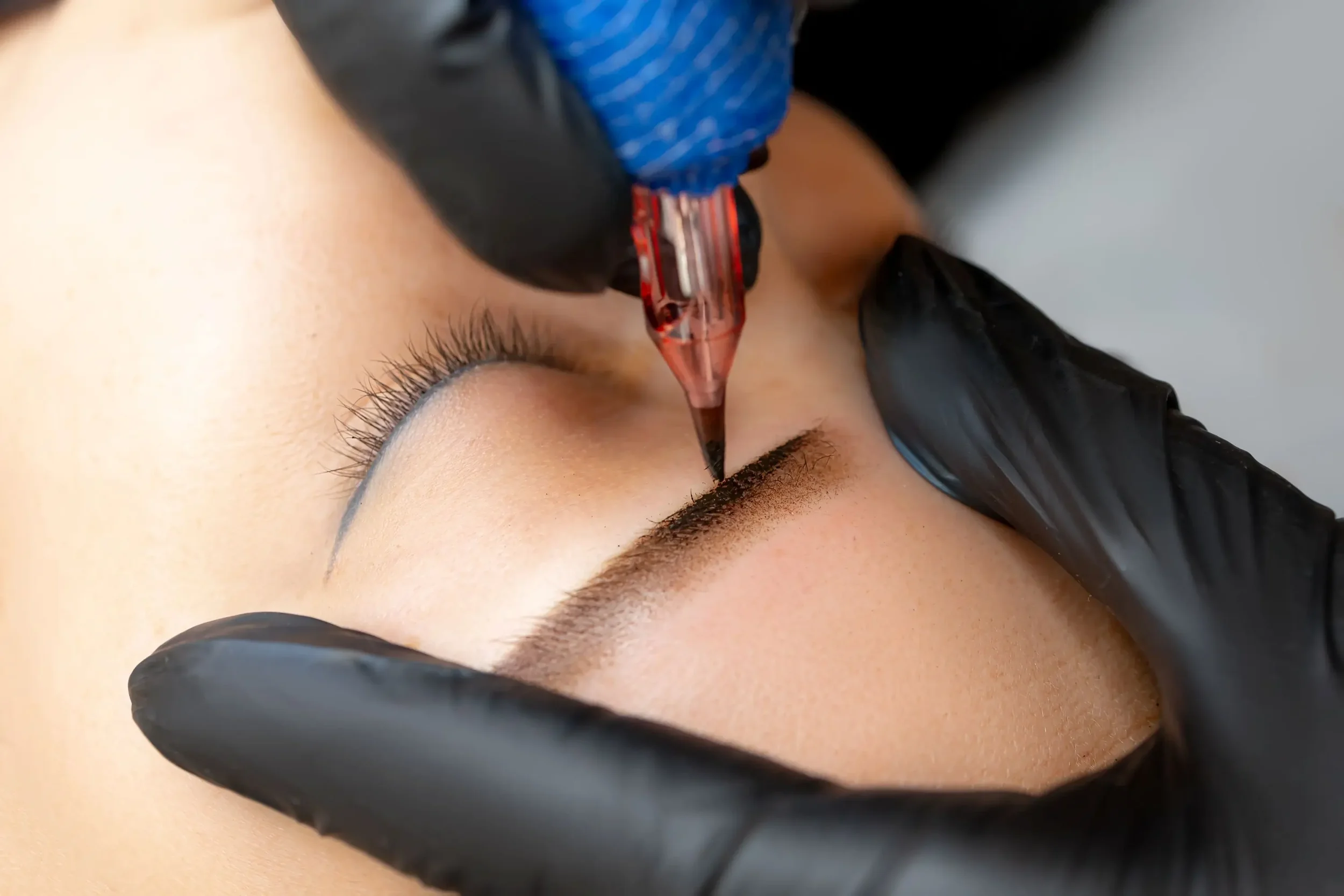
A tattoo touch up is a follow up procedure used to reinforce pigment, correct minor inconsistencies, or restore definition after healing or long term fading. This applies to decorative, cosmetic, and paramedical tattoos, but the reasons and timing differ by category. Understanding when a touch up is necessary versus optional helps set expectations, which is part of the long term planning approach used at Studio Vanassa.
What a Tattoo Touch Up Actually Means
A touch up is not a full redo. It involves adding pigment only where healing, fading, or minor irregularities have affected appearance. The original structure remains, but saturation, clarity, or small details are adjusted.
This process accounts for how the skin retained pigment during healing and how the body responded to the initial application. Touch ups are typically more targeted than the first session.
Why Tattoos Do Not Heal Perfectly the First Time
Healing is influenced by skin type, circulation, aftercare, and natural immune response. Some areas may retain less pigment, creating lighter spots or slight gaps.
Movement in certain areas of the body can also affect retention. These variations are common and do not necessarily indicate poor technique. A touch up corrects normal healing differences.
Normal Fading Versus Uneven Healing
Uneven healing appears within the first healing cycle and usually presents as patchiness or lighter sections. This is addressed once the skin has fully recovered.
Fading occurs gradually over months or years as pigment particles break down and disperse. This leads to softer contrast and reduced vibrancy rather than visible gaps. The reason for the touch up determines the approach.
Timeline for an Initial Touch Up
The first touch up is typically considered after the skin has fully healed and stabilized. This allows the true healed color and retention pattern to be assessed.
Touching up too early can interfere with healing, while waiting ensures adjustments are based on the final settled result rather than temporary surface changes.
Long Term Touch Ups
Future touch ups are based on visible fading, not a fixed schedule. Some tattoos remain stable for many years, while others soften sooner depending on placement, sun exposure, and lifestyle.
Long term maintenance restores contrast and refreshes color without changing the original design. These sessions are optional unless clarity or color balance has shifted beyond the desired look.
Decorative Tattoo Touch Ups
For body art, touch ups are often optional and aesthetic. They are used when lines soften, shading lightens, or colors lose vibrancy beyond personal preference.
They are not always required unless uneven healing left visible gaps. Many decorative tattoos age naturally without needing regular reinforcement.
Cosmetic Tattoo Touch Ups
Cosmetic tattoos such as brows, lips, or eyeliner are designed to fade more predictably. Touch ups maintain shape clarity and color balance as pigments soften over time.
These are more commonly part of long term maintenance because subtle facial features rely on precision. Without periodic refresh, undertones may become more noticeable.
Paramedical Tattoo Touch Ups
Paramedical tattoos, including scar camouflage or areola restoration, require stable color matching to surrounding skin. Touch ups may be needed if pigment shifts or if scar tissue heals unpredictably.
These sessions focus on blending rather than saturation. Minor tone adjustments can significantly affect realism, making follow up work more functional than cosmetic.
When a Touch Up Is Optional Versus Necessary
A touch up is necessary when healing left visible gaps, inconsistent saturation, or disrupted symmetry. It is optional when the tattoo has simply softened in a way that still matches personal preference.
Decisions are based on clarity, balance, and how well the tattoo serves its intended purpose. An evaluation through the Studio Vanassa booking page helps determine whether reinforcement, color adjustment, or no action is appropriate.
Booking a Touch Up Assessment
Assessment considers pigment retention, placement, skin condition, and the tattoo category. This determines whether the concern relates to healing correction or long term maintenance.
Appointments can be requested through the appointment request form to evaluate the condition of the tattoo and the need for a touch up.